Advertisement
Coal burning contributes up to 70 per cent of carbon in Yangtze River sediment, study finds
- The environmental impact is not known, but researchers say carbon from fly ash will remain in the sediment for a long time
- They analysed particles in the basin area of mega cities and industrial centres where a third of the coal in China is consumed
3-MIN READ3-MIN
2
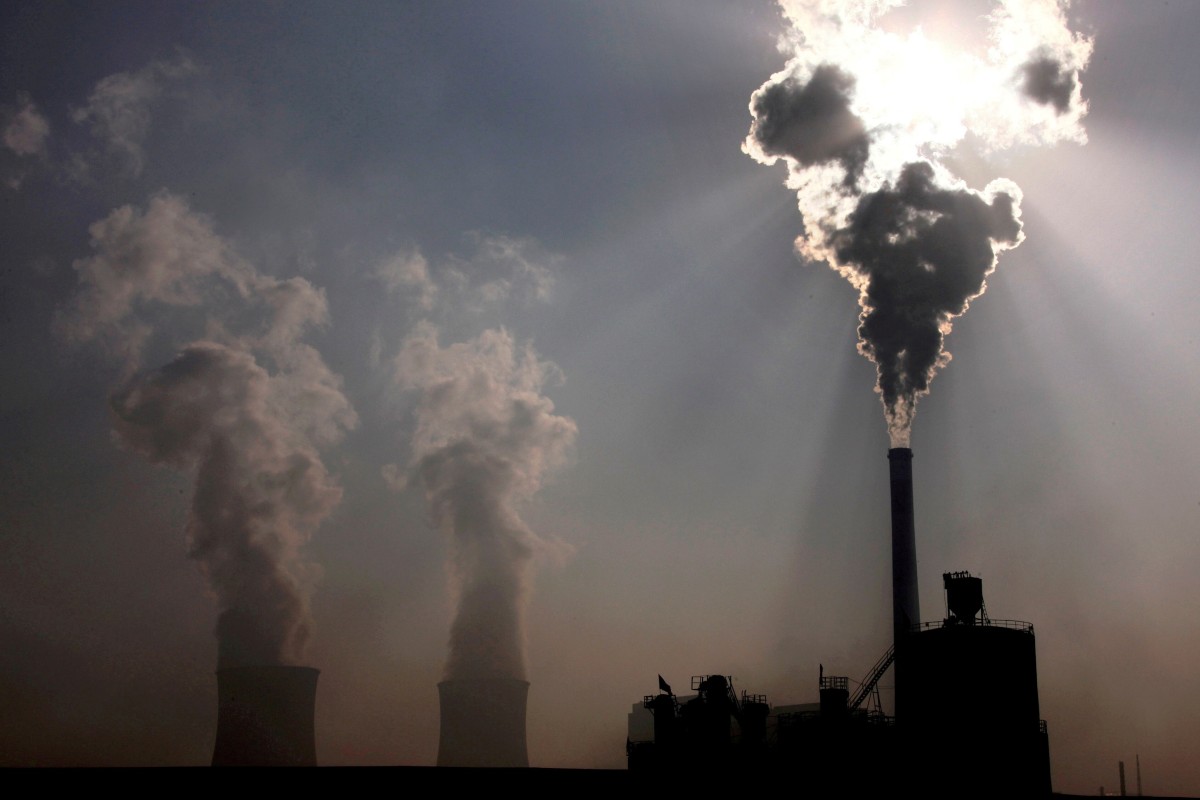
Up to 70 per cent of the organic carbon found in the sediment of Asia’s longest river, the Yangtze, could have come from the fine ash produced by burning coal, according to a new study.
Researchers said the environmental impact of so much man-made carbon potentially ending up in the world’s rivers and oceans was not yet clear, but it would remain in the sediment for a long time.
Their discovery “illustrates how human activities have significantly altered the carbon cycle at continental scales”, lead scientist Ji Junfeng of Nanjing University said in a paper published on Tuesday in peer-reviewed journal the Proceedings of the National Academy of Sciences of the United States of America.
Advertisement
Coal, which powered the Industrial Revolution, is the biggest polluter of all fossil fuels but remains the backbone of the world’s energy supply. China, the United States and India together burn more than 70 per cent of the coal produced worldwide.
However, with more countries setting targets to become carbon-neutral in a bid to combat climate change, coal consumption is expected to be gradually phased out in the coming decades.
Advertisement

Advertisement
Select Voice
Select Speed
1.00x