Advertisement
Coronavirus: vaccines, declining antibodies and the immune memory
- Debate is raging over whether booster shots are needed amid reports of waning immunity and breakthrough infections
- But experts say it’s normal for immune response to fade over time after getting vaccinated, and that includes memory cells
4-MIN READ4-MIN
23

Countries around the world are considering or already rolling out Covid-19 vaccine booster shots amid reports of waning immunity and breakthrough infections.
As debate rages over boosters, some are asking why they might be necessary so soon after vaccination, when there should still be immune memory.
Vaccines work to “train” the body to fight a specific pathogen, using inactive or weakened parts of it, or a blueprint of it, to prompt an immune system response. The body then produces antibodies, but also white blood cells known as memory cells. When the antibodies gradually level off, the memory cells remain and swing into action when faced with the real pathogen – a process known as memory response.
Advertisement
According to vaccine experts, it is normal for the immune response to decline after getting any jab.
“All immune reactions wane over time. Antibody levels post all Covid-19 vaccines decline quite steeply,” said Penny Ward, a professor in pharmaceutical medicine at King’s College London. “Although T-cell responses might be sustained for a longer period, they will wane over time,” she said, referring to a type of memory cell that can help activate other immune response cells or patrol the body to kill infected cells.
06:18
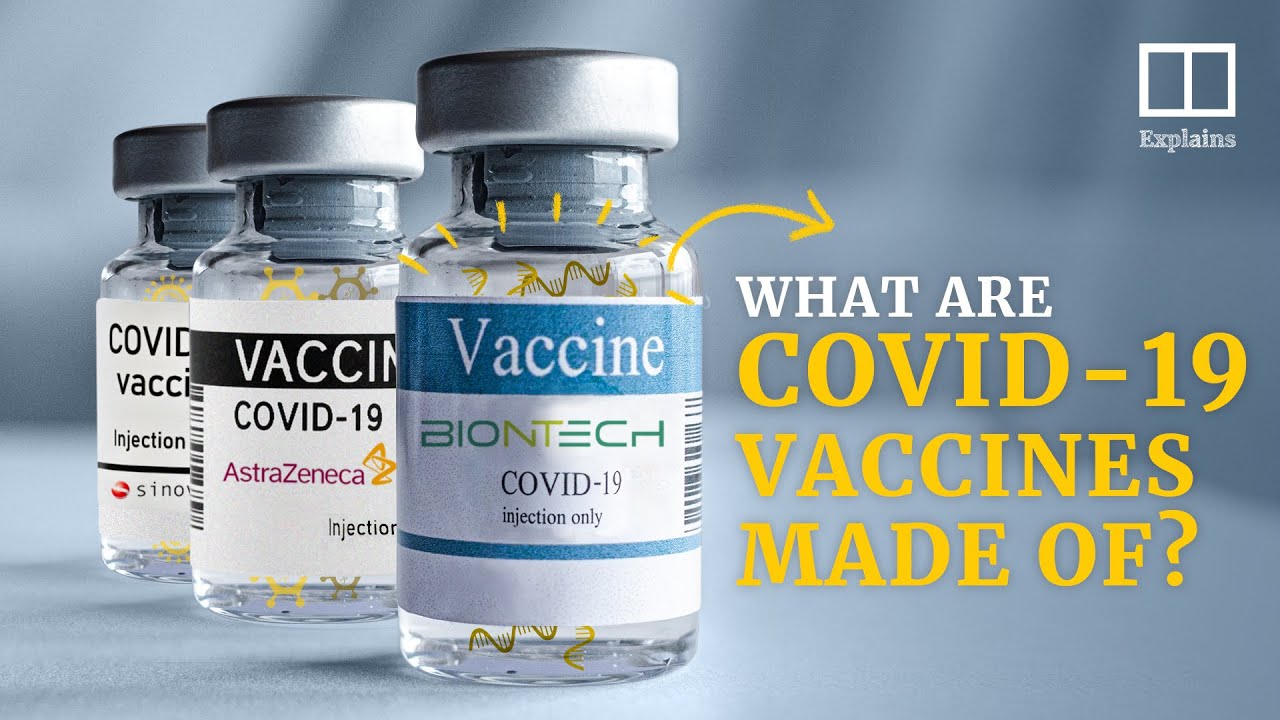
SCMP Explains: What’s in a Covid-19 vaccine?
SCMP Explains: What’s in a Covid-19 vaccine?
Ward said booster shots had been recommended in some countries for high-risk groups such as the elderly and immune-suppressed because the Covid-19 vaccines do not induce a targeted immune response.
Advertisement
Select Voice
Select Speed
1.00x