Chinese scientists say wild animals should be screened for coronavirus to cut risk of deadly variants being transmitted back to humans
- A paper co-written by Gao Fu, the head of the country’s CDC, warns of the ongoing risk of mutations in species that are susceptible to the virus
- So far 11 species are known to have been infected, but the scientists say this could be ‘the tip of the iceberg’
“It is necessary to carry out large-scale Sars-CoV-2 screening for terrestrial and marine wildlife, especially those susceptible ones … so as to formulate further prevention and control strategies,” said Gao and co-author Wang Liang of the Chinese Academy of Sciences said in a perspective published in the China CDC’s weekly bulletin.
Such work could also “provide more clues” about the origins of Covid-19, they said.
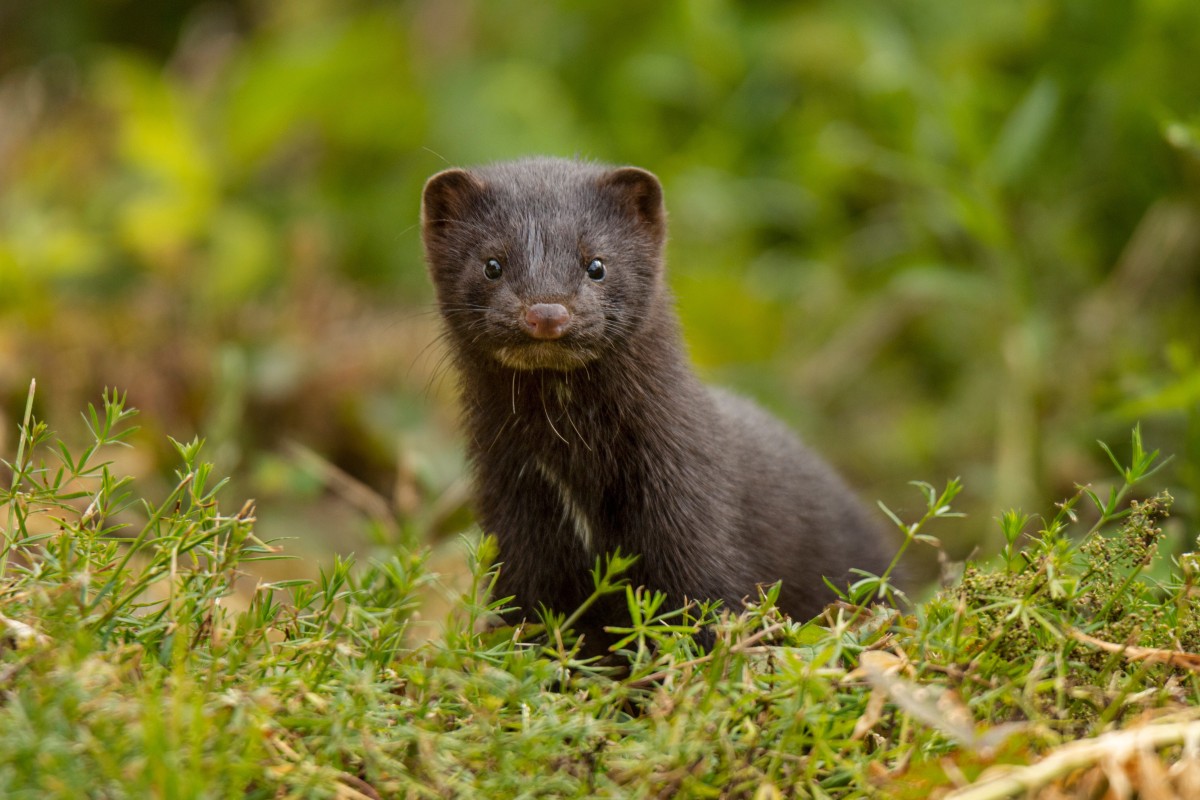
Eleven species have so far been reported to be infected by Sars-CoV-2 in real-world circumstances – including tigers, gorillas, snow leopards and mink – according to Gao and Wang. Another 14 species have been identified as able to be infected via lab experiments.
But these could just be the “tip of the iceberg” for susceptible animals, the authors warn, as there has been limited laboratory screening of different species for infection risks, including of marine mammals.
The spread of the virus through white-tailed deer in the United States, also shows a risk that the virus could mutate and spread from deer to other animals before passing back into people, according to the authors.
“Since Sars-CoV-2 is going wild, many other wild animals would also be infected with Sars-CoV-2 via direct or indirect contact with wild white-tailed deer,” they wrote, adding that measures like the large-scale culling of farmed mink in the Netherlands are not possible with wild animals.