Why did the ancient Chinese civilisation of Liangzhu collapse? Scientists point to climate change
- Severe flooding resulting from huge monsoon rains destroyed the city and forced its inhabitants to flee, researchers say
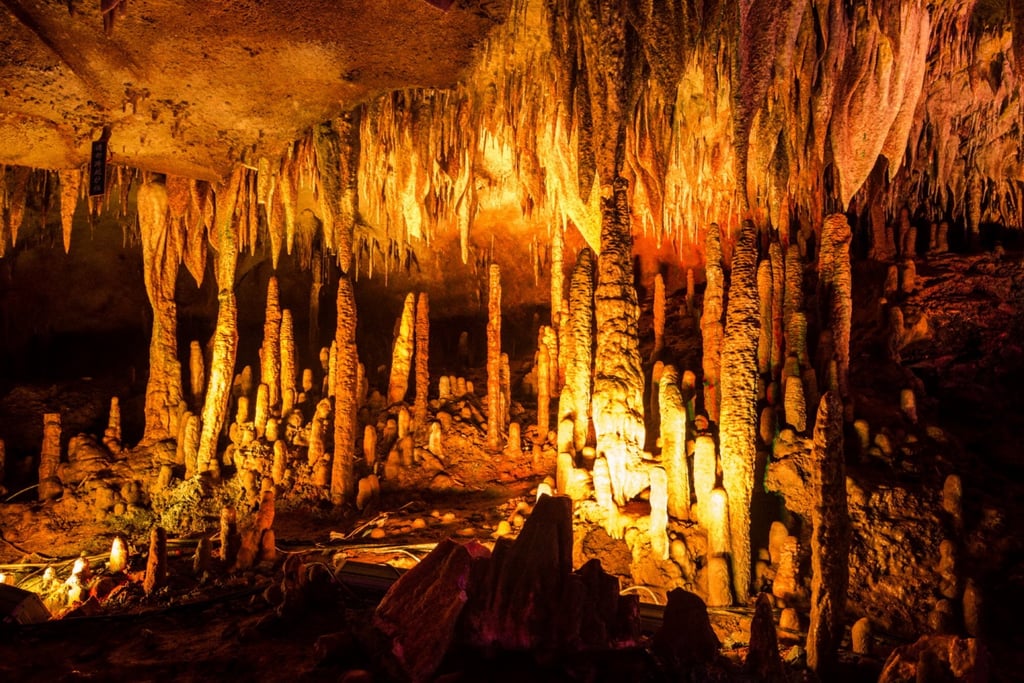
- They looked to cave stalagmites for clues on the climatic conditions, to find out why the advanced culture came to an abrupt end

Intense monsoon rains are likely to have caused severe flooding of the Yangtze River that could not be withstood by Liangzhu’s sophisticated dams and canals, destroying the city and forcing people to flee, according to an international team of scientists.
The inhabitants had lived in the city on the Yangtze River Delta for nearly 1,000 years, and theirs was among the most materially and technologically advanced Neolithic cultures in the world. The ruins of Liangzhu, which is now a Unesco World Heritage Site, include the oldest evidence of large hydraulic engineering structures in China.
But what wiped out this highly developed culture that blossomed 5,300 years ago has long puzzled scientists, who have suggested it could have been a result of flooding, freezing temperatures, military conflict or changes in the social structure.
Liangzhu is located in a low-lying region where flooding would have occurred in June, followed by a dry and hot July and August. The society had effectively managed water resources by building large dams to mitigate floods and irrigation to survive in a dry climate, according to the researchers, led by the Institute of Global Environmental Change at Xian Jiaotong University.