Fish scales inspire Chinese bulletproof vest resistant to armour-piercing rounds
- Researchers say their lightweight, flexible armour can protect its wearer from armour-piercing incendiary bullets fired from point-blank range
- Scaled body protection was worn in ancient times but modern developers have struggled to make the technology work
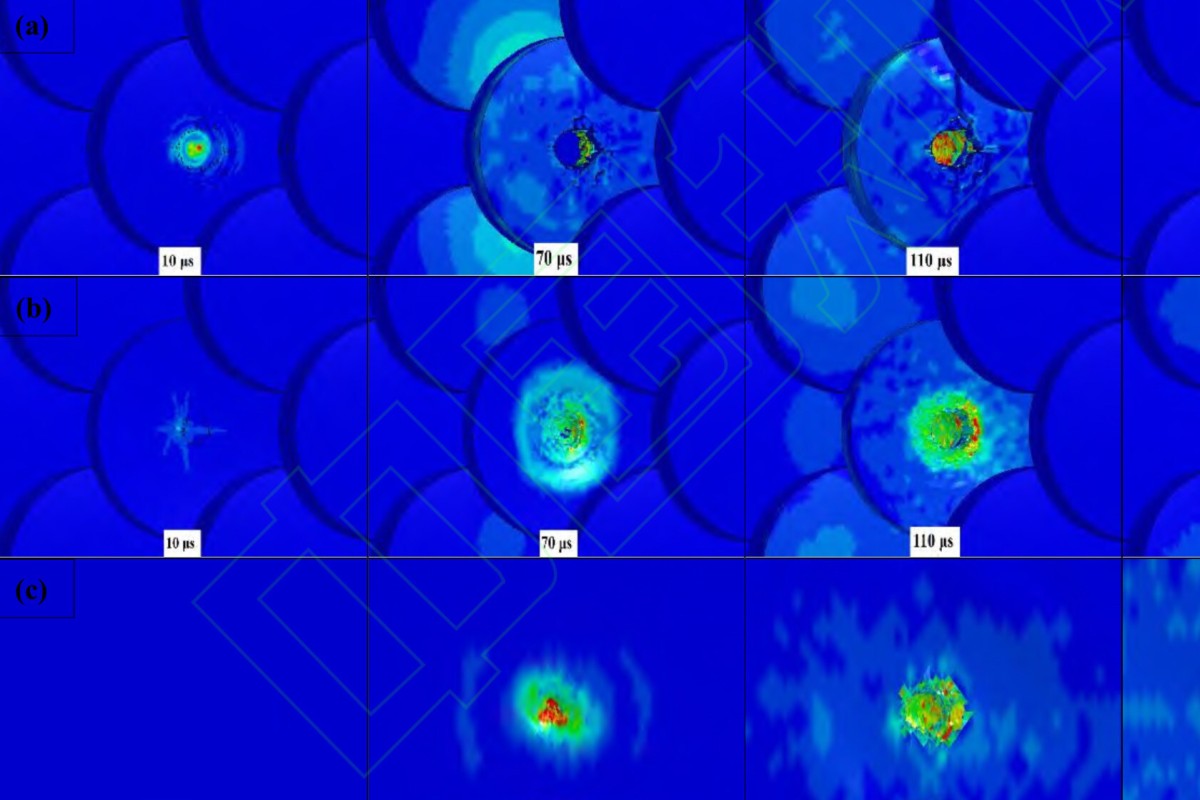
A research team in Changsha in central China’s Hunan province said it had developed the world’s first lightweight, flexible body shield to protect soldiers from armour-piercing weapons.
Three rounds of armour-piercing incendiary (API) bullets were fired from point-blank range (up to 15 metres or 50 feet) into the bionic scale armour at nearly three times the speed of sound. None of the shots penetrated the composite materials, according to a paper published in the domestic peer-reviewed journal Acta Materiae Compositae Sinica on January 5.
The 7.62mm API bullet was initially developed to destroy a tank. It could explode inside the target to inflict greater damage. Later, it was used against individuals wearing protective gear.
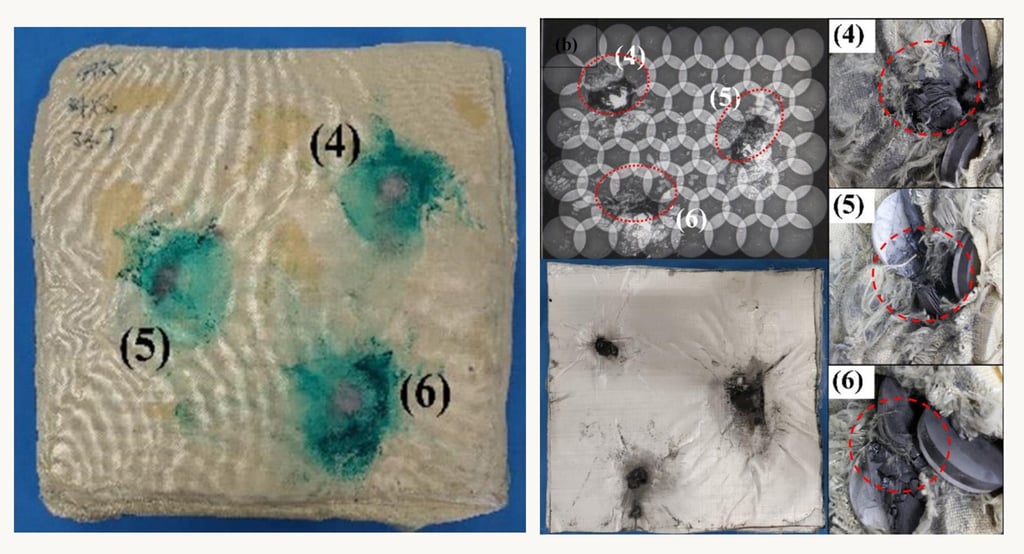
When the bullet hit the new vest materials, however, it effectively “vaporised” one of the super-hard ceramic scales and lost most of its kinetic energy, disappearing without a trace, according to lead project scientist professor Zhu Deju of the college of civil engineering at Hunan University.
The shots left dents about 20 millimetres (0.8 inch) deep in a rubber wall behind the vest sample, “proving the good protective performance of the gear”, Zhu and his colleagues said in their paper.
Zhu has been working on several classified military projects, according to his university website. He could not be reached for comment.
Scale-type armour was popular in the ancient world, especially in eastern countries such as China and Japan. But its application in the modern military had been plagued by setbacks.