Chinese scientists hail space radar breakthrough
- Researchers at the National Defence Technology University say their laser imaging technology can identify small objects in space with unprecedented accuracy
- The scientists say it could be used to guide laser beams removing small pieces of hazardous space debris

A team of Chinese military scientists say they have achieved a breakthrough in laser imaging technology that will allow ground stations to identify and track a target in space with unprecedented accuracy.
The results suggest that the radar, developed by Professor Han Fei at the National University of Defence Technology in Anhui province, can take images of a thumb sized object in near-Earth orbit with a resolution of up to 3 millimetres (0.1 inches).
This accuracy is two orders of magnitude higher than the best results achieved by similar devices in the United States and other Western countries, according to the researchers.
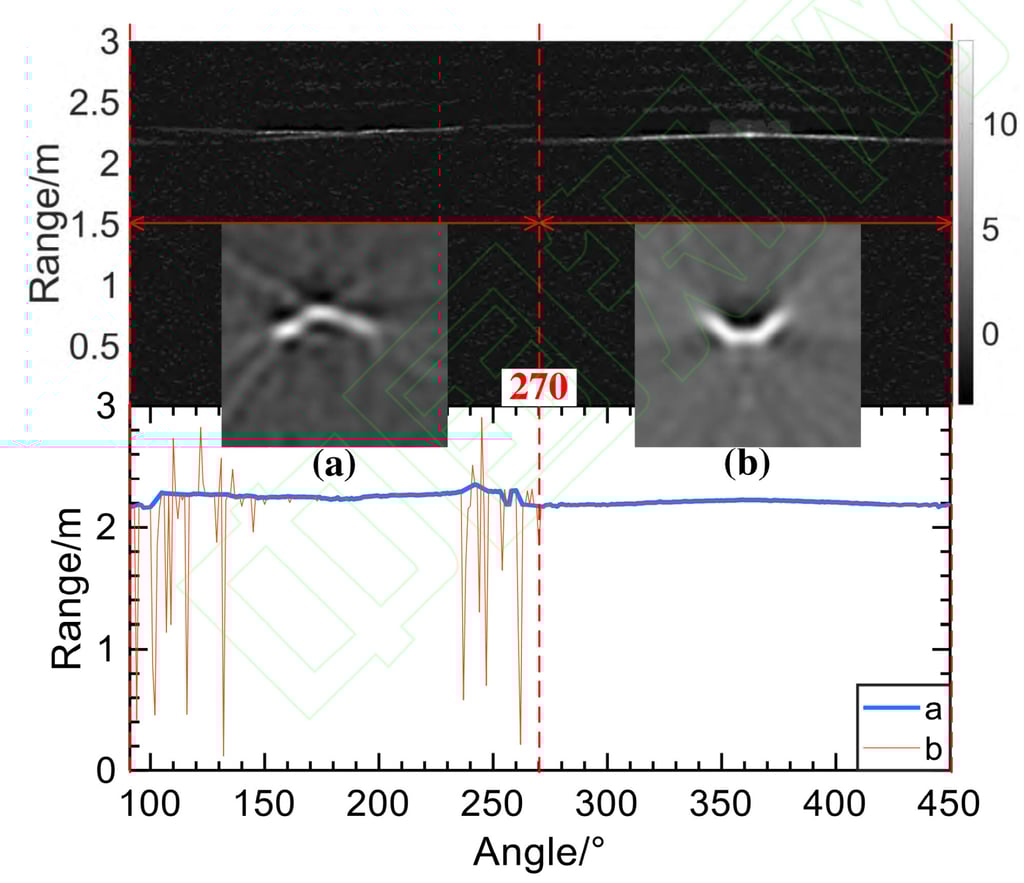
The technology could also help guide ground-based laser beams to remove small pieces of space debris that threaten satellites and spacecraft, Han and his colleagues wrote in a paper published in domestic journal Acta Physica Sinica last Saturday.
“Centimetre or even millimetre-level resolution for space object imaging in the 100km [62-mile] range can be achieved in the foreseeable future with a performance far superior to those achieved by traditional optical or radar imaging technologies,” said the researchers.
Space engineers’ biggest headaches come from debris between 1cm (0.4 inches) and 10cm because satellites can be given protection from smaller items while larger objects can be detected using existing technology with enough notice to take evasive action.
In 2016, one of the largest space-based radar systems owned by China lost 4 per cent of its power supply after a tiny piece of space junk, just over 1cm in length, hit the satellite’s solar panel, according to a report released last month.