ExplainerWill the coronavirus continue to evolve after Omicron? And what does this mean for the battle against Covid-19
- Scientists believe that further strains will emerge in future given the nature of the virus and the extent it has spread around the world
- The good news, according to some researchers, is that it will become milder over the long run
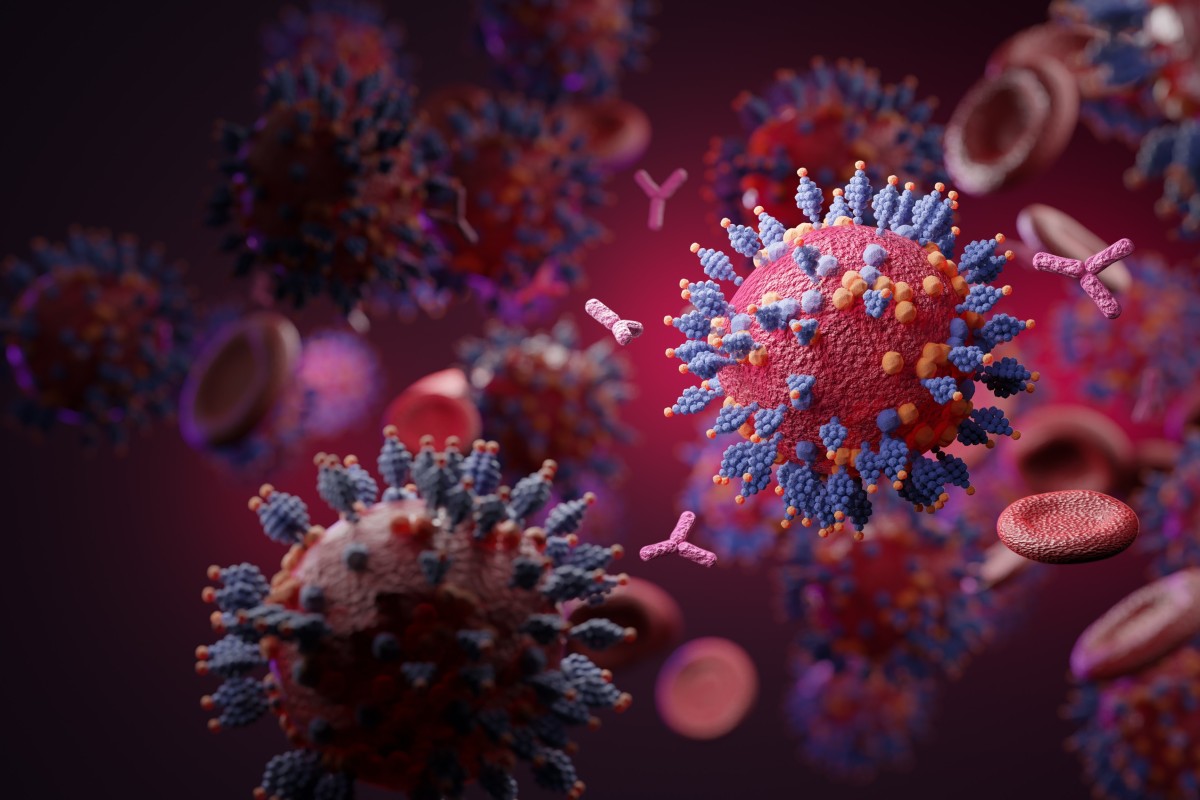
As many countries try to live with Covid-19, the virus itself is relentlessly mutating to be ever more efficient in spreading among the population.
Even the Omicron variant, which caused an unprecedented wave of cases around the world in December and is behind China’s current surge in cases, has evolved.
The initial Omicron strain, known as BA. 1, has now been outcompeted by its sibling BA. 2, which now accounts for nearly 86 per cent of all sequenced cases, according to the World Health Organization.
Here is what scientists think will happen next and how it will affect the future course of the pandemic.
Will we see more variants in the future?
“We can safely say that we will,” says Wytamma Wirth, a microbiologist with the University of Melbourne.
Viruses mutate when “errors” are made while replicating in the cells of their host. Viruses that encode their genome in the host’s RNA – such as Sars-Cov2-2 (the Covid virus), HIV and influenza – are prone to quick mutations.