Dead heat by 2050: massive North China area to be hotspot for killer mix of heatwaves and surface ozone, study finds
- Beijing, Tianjin and five nearby provinces to face increased impact of extreme high temperatures and ground level ozone pollution, new study suggests
- Such conditions caused around 100 daily excess deaths in the area during 2017-19, researchers estimate

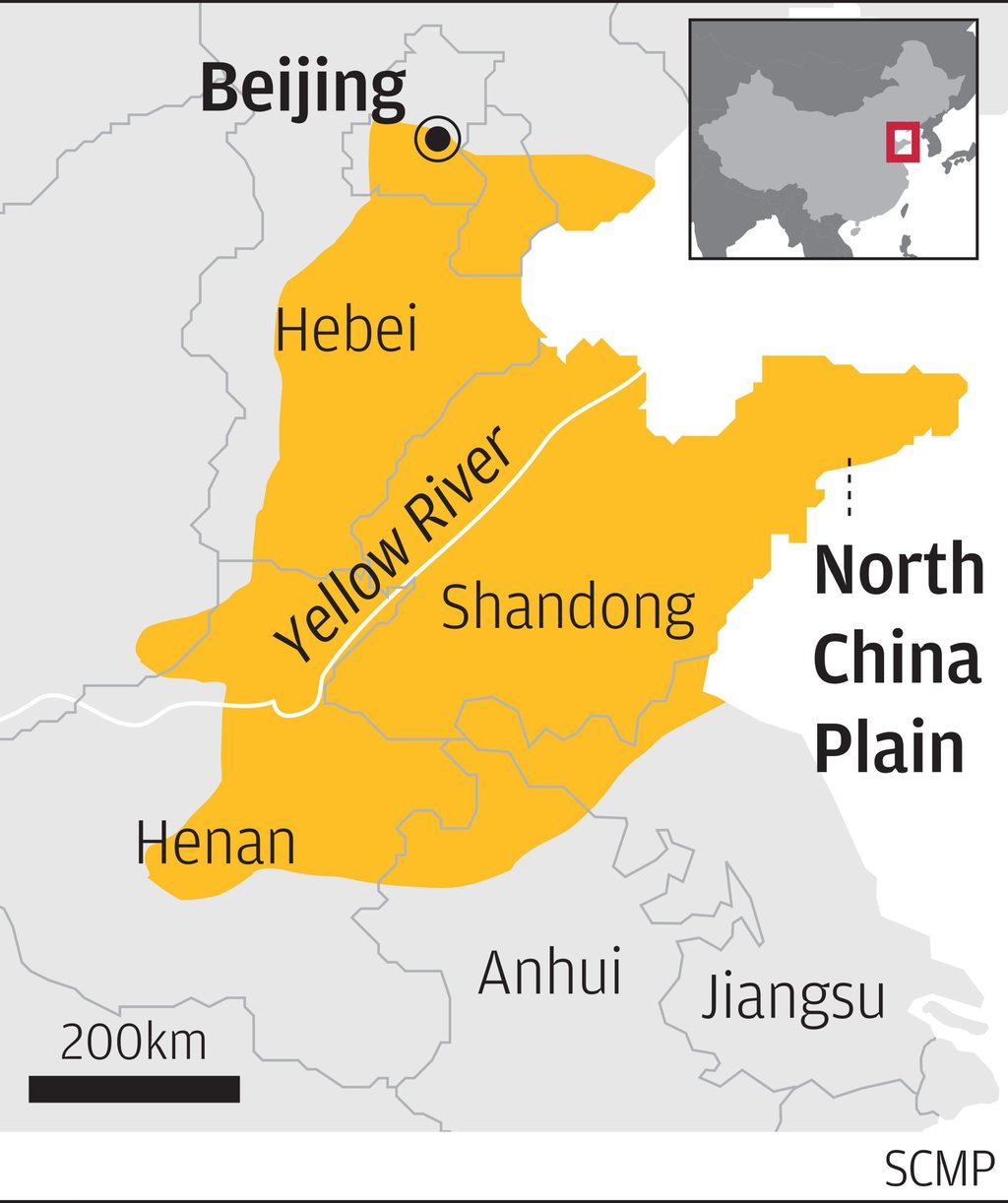
The dual environmental blow is already driving up premature mortality rates in the massive area known as the North China Plain - covering Beijing, the nearby port city of Tianjin, and five neighbouring provinces. By 2050, it would be the Chinese region worst affected by ozone pollution and extreme high temperatures, the study published in peer-reviewed journal Atmospheric Chemistry and Physics found.
Ozone is formed when sunlight interacts with nitrogen oxides and volatile organic compounds emitted by power plants, factories, vehicles and other sources. It is a harmful air pollutant at ground level, and long-term exposure to high ozone concentrations can seriously damage not only human health, but vegetation and ecosystems as well.
Ozone pollution is usually accompanied by high temperatures, low humidity and weak winds. While most previous studies examined the single impact of either extreme heat or ozone pollution, the US and Chinese researchers led by Wang looked into the cumulative impact of extremes in both areas.