China’s giant gold deposit was formed by different geological forces, says paper. Is there more out there?
- Dongping deposit was formed by magmatic fluids mixing with rainwater, a process different from gold found in other parts of the world, say researchers
- While other gold deposits formed billions of years ago, the deposits on the North China craton formed around 140 to 120 million years ago

An international team of scientists has discovered that a giant gold deposit in northern China was formed by magmatic fluids mixing with rainwater, a process different from that of gold found in other parts of the world.
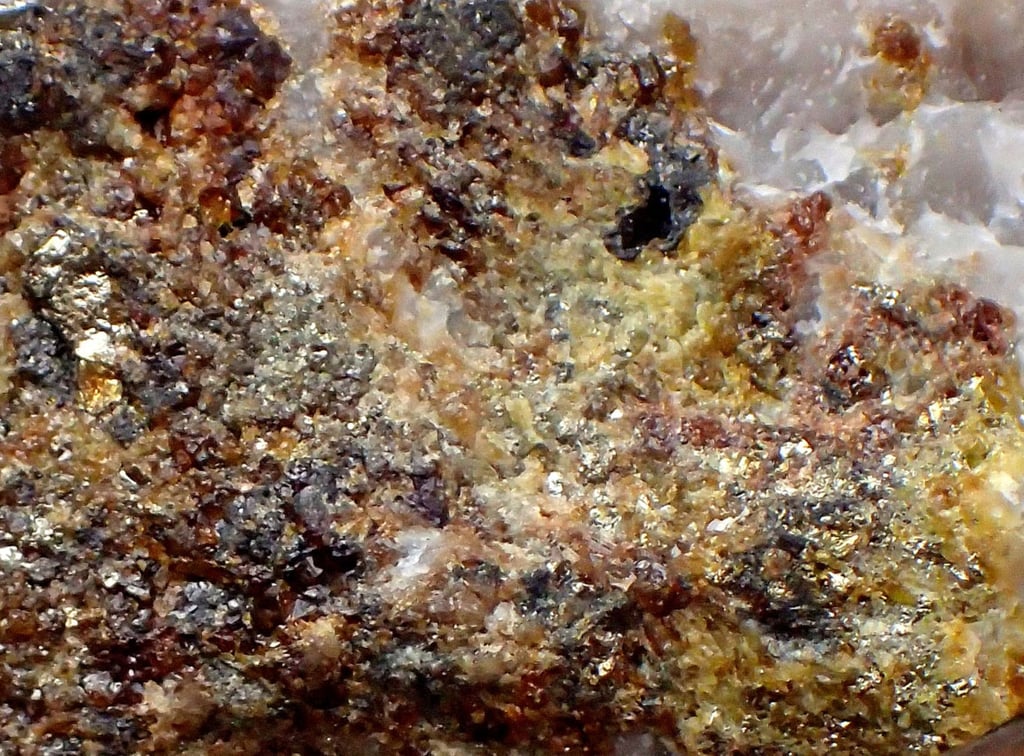
Lode gold deposits, the world’s major source of the precious metal, were generated mostly from metamorphic fluids when they boiled and/or interacted with wall rocks.
Heated fluids picked up gold when they passed through gold-bearing rocks and deposited gold in favourable locations in the crust after the source rocks were metamorphosed to release gold-bearing fluids.
In China, “the world-class Dongping lode gold deposit has been formed by multiple pulses of magmatic hydrothermal fluids and their mixing with large volumes of meteoric water,” the team wrote in a research article published on Tuesday as they detailed the geological process they had uncovered.
“Magmatic fluid pulses were repeatedly exsolved from the underlying magma chamber. Faults and fractures as conduits facilitated ascending of magmatically derived fluids and subsequently their mixing with voluminous meteoric water, processes leading to gold deposition,” they said.