US hypersonic missile fails in test in latest setback for project
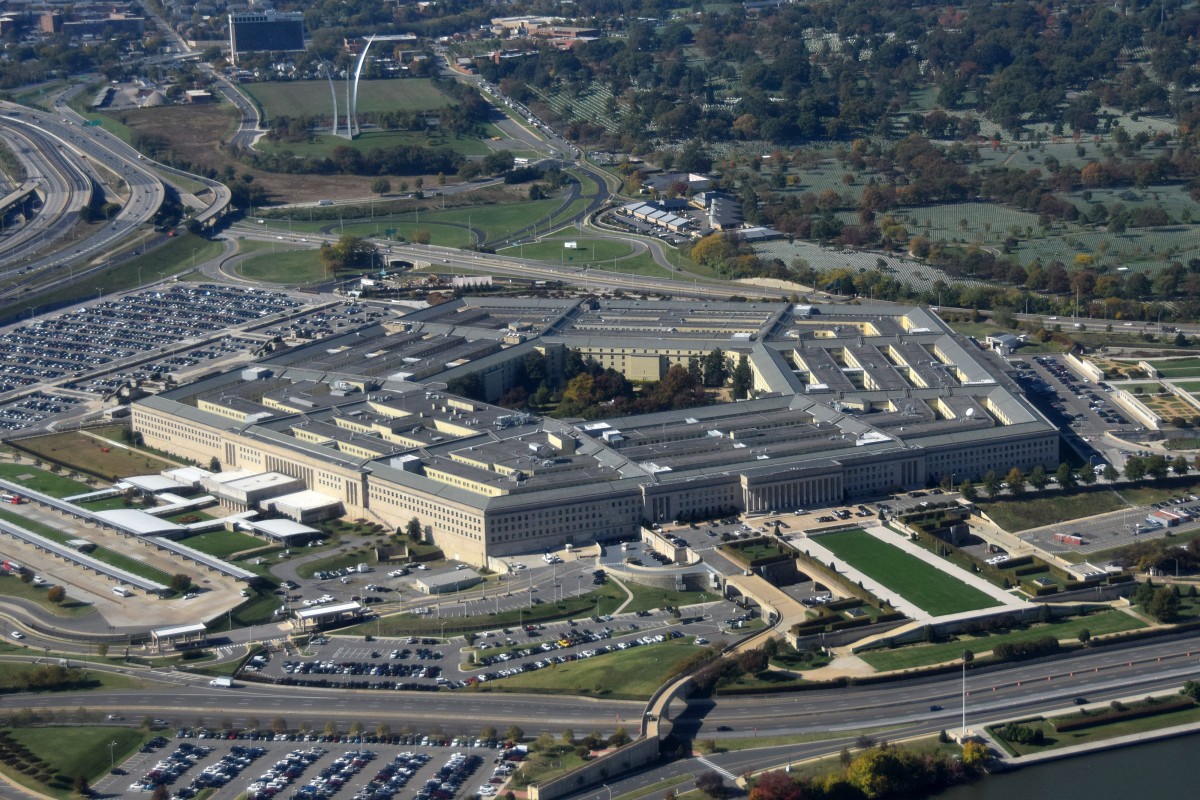
- The Pentagon said the test flight in Hawaii failed as a result of a problem that took place after ignition
- The US is struggling to catch up with countries such as China, Russia and North Korea which have all been testing high-speed weapons
It did not provide further details of what took place in the Wednesday test, but said in a statement sent by email “the department remains confident that it is on track to field offensive and defensive hypersonic capabilities on target dates beginning in the early 2020s”.
“An anomaly occurred following ignition of the test asset,” Pentagon spokesman Lieutenant Commander Tim Gorman said in the statement.
“Programme officials have initiated a review to determine the cause to inform future tests.” he said. “While the department was unable to collect data on the entirety of the planned flight profile, the information gathered from this event will provide vital insights.”
The trial marked the second unsuccessful test flight of the prototype weapon known as Conventional Prompt Strike. There was a booster failure in its first flight test in October, which prevented the missile from leaving the launch pad. The Conventional Prompt Strike weapon is envisioned to be installed on Zumwalt destroyers and Virginia-class submarines.
The US army is developing a land-based version. Lockheed Martin and Northrop Grumman are the top contractors.