Chinese scientists find DNA link with Native American ancestors in Yunnan cave
- Research finds ancient human remains found in China ‘had a deep relationship with the early people who first arrived in the Americas’
- Team spent years collecting material from more than 100 points on the 14,000-year-old skull of ‘Mengzi Ren’ to have enough for genetic sequencing

Researchers have identified the remains of a person closely related to the ancestors of Native Americans in a cave in southern China, according to a new study.
Professor Su Bing, of Kunming Institute of Zoology in Yunnan and lead author of the study published in the international peer-reviewed journal Current Biology on Thursday, said it was the first sequencing of ancient DNA from East Asia, dating to when modern humans migrated to America about 14,000 years ago.
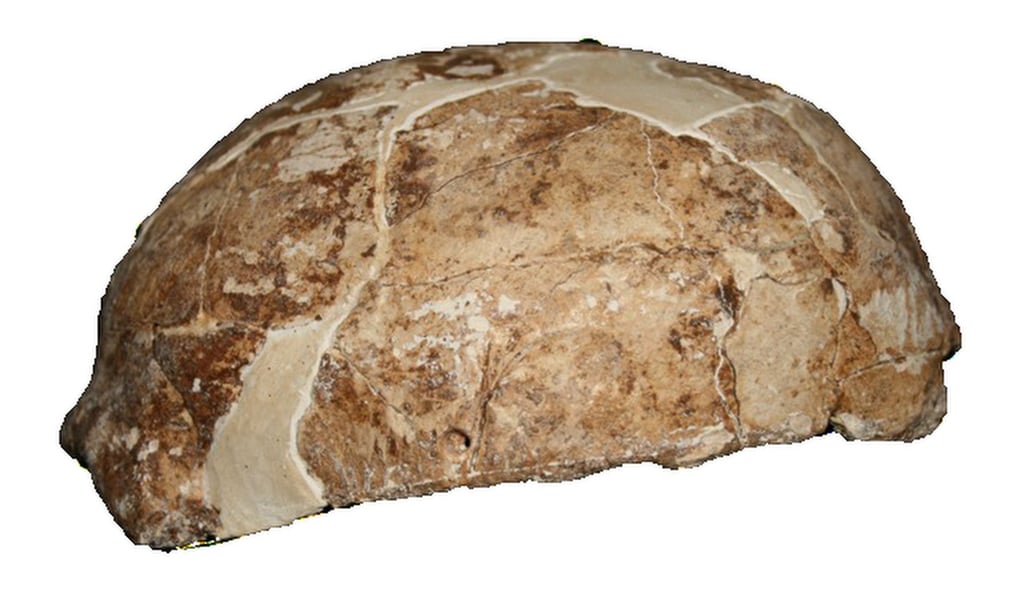
Su and his colleagues collected genetic samples from a skull found in the Red Deer Cave in Mengzi city near the border with Vietnam in 1989.
The skull belonged to a woman – dubbed Mengzi Ren – who “actually had a deep relationship with the early people who first arrived in the Americas,” he said in an interview with Chinese state television.
Genetic surveys of modern populations suggest present-day Native Americans are likely to have come from East Asia, but direct evidence supporting the theory remains scarce.

06:56
Coming face to face with China’s ‘dragon man’
Chinese anthropologists found the skull and related remains amid a large pile of animal fossils, including deer, monkeys, bears and boars, at the Red Deer Cave site. It was then left on a shelf for decades because no one suspected the remains belonged to a human.