Chinese scientists develop salt-tolerant soybean that may reduce reliance on imports
- Team in Shandong say species can yield 4.5 tonnes per hectare – more than twice the average – in saline-alkali soil
- They say that if China can grow more of the crop it could help to reduce deforestation in places like Brazil

The team from the Shandong Academy of Agricultural Sciences in Jinan say their new soybean species can yield 4.5 tonnes per hectare – more than twice the average – in saline-alkali soil, the official Science and Technology Daily reported on July 28.
In China, about 100 million hectares of land is estimated to be affected by salinisation and soil degradation, about a third of it in Xinjiang in the far west. But if soybean could be cultivated on this land, there is potential to produce 450 million tonnes a year – almost five times the amount China imported in 2021.
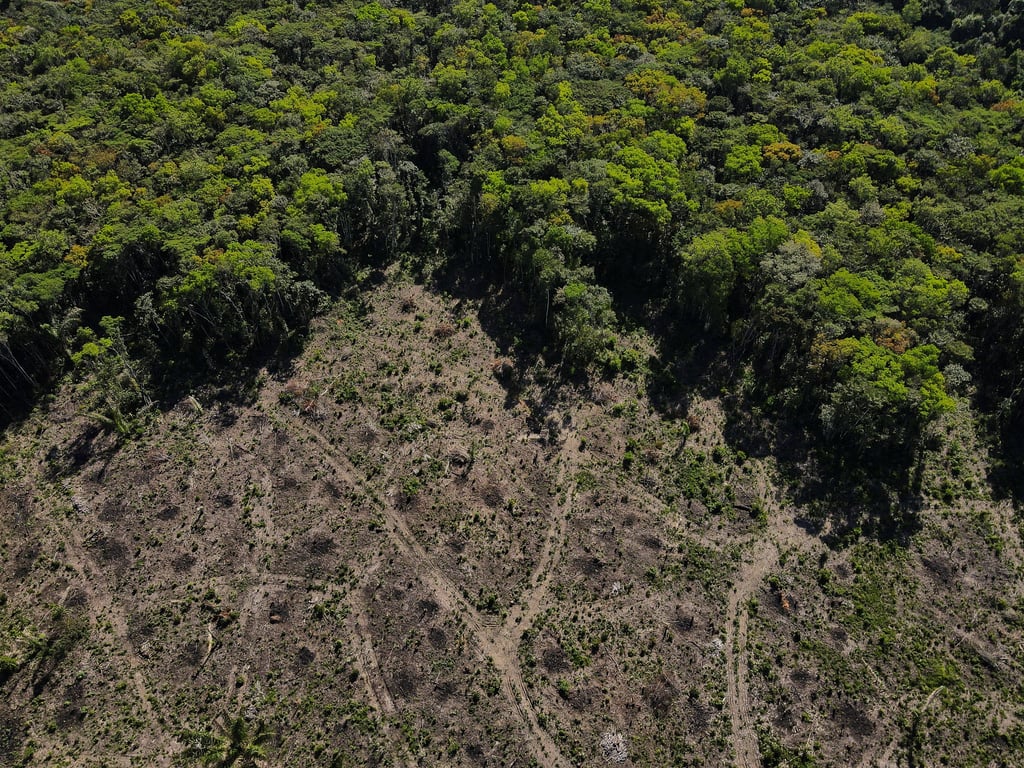
China imports more soybean than any other country, mostly in the form of animal feed and oil. Much of it comes from South America, where expansion of production to meet demand for the crop is driving farmers to cut down trees for land. In Brazil – which supplied 60 per cent of China’s soybean imports last year – more than 750,000 sq km of the Amazon rainforest has been cleared in the past three decades, according to one estimate.