Chinese brain researchers find evolutionary clue in elderly who stay sharp and have higher quality of life in old age
- More developed frontal lobes equated with maintaining superior cognitive performance, possibly a result of natural selection in human evolution
- Community-based brain research that started in 2008 found some elderly people aged more slowly, leading to cognitive health project

Their study looked at how the brain structure of older adults with superior cognitive performance differed from those with mild cognitive impairment (MCI).
The study, which was published in the peer-reviewed Chinese journal Science Bulletin on November 11, found that people who had successful cognitive ageing (SCA) had a better preserved brain structure in the frontal region, while those with mild cognitive impairment showed structural deterioration in another part, the temporal region.

02:04
Gene therapy which could slow human ageing found by Chinese researchers in studies on mice
The authors further proposed a “frontal preservation, temporal impairment (FPTI)” hypothesis to explain the neural basis of the differences in individuals’ cognitive ageing.
The frontal regions, or frontal lobes, are associated with higher cognitive functions, such as decision-making, problem-solving and attention. The frontal lobes mark one of the biggest differences between human beings and animals. In humans they are larger proportionally than in other creatures.
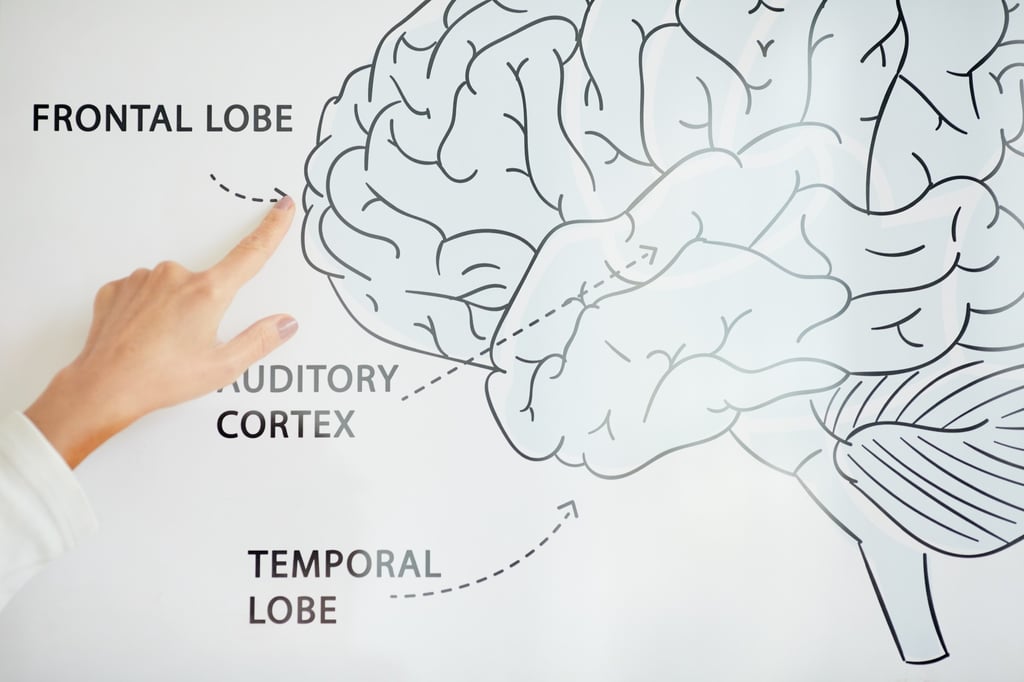
Chen Yaojing, study corresponding author and a researcher at Beijing Normal University, said the human frontal lobe evolved the most recently and it exhibited age-related decline sooner than other abilities.
“There’s a theory called ‘last in, first out’. The newest part in evolution will decline first because human beings tend to save their survival abilities to the end,” she said.