Ancient Siberian genomes show migration from North America to North Asia, scientists say
- Team analysed the genetic data of 10 individuals up to 7,500 years old, a previously unknown hunter-gatherer group in the Altai-Sayan region
- There were ‘multiple phases of Native American-related gene flow into northeastern Asia over the past 5,000 years’, according to the study

Scientists have identified a new group of Siberian people going back as far as 7,500 years ago, a finding they say shows gene migration from North America to North Asia.
It was already well known that groups of humans migrated from North Asia to North America across the Bering Sea around 16,000 years ago. But the new findings suggest that people travelled in the opposite direction, too.
The researchers looked into the ancient genomes of 10 individuals who lived in the Altai-Sayan region – near to where modern-day Russia, China, Mongolia and Kazakhstan converge – as well as the Russian Far East and the Kamchatka peninsula in northeastern Russia.
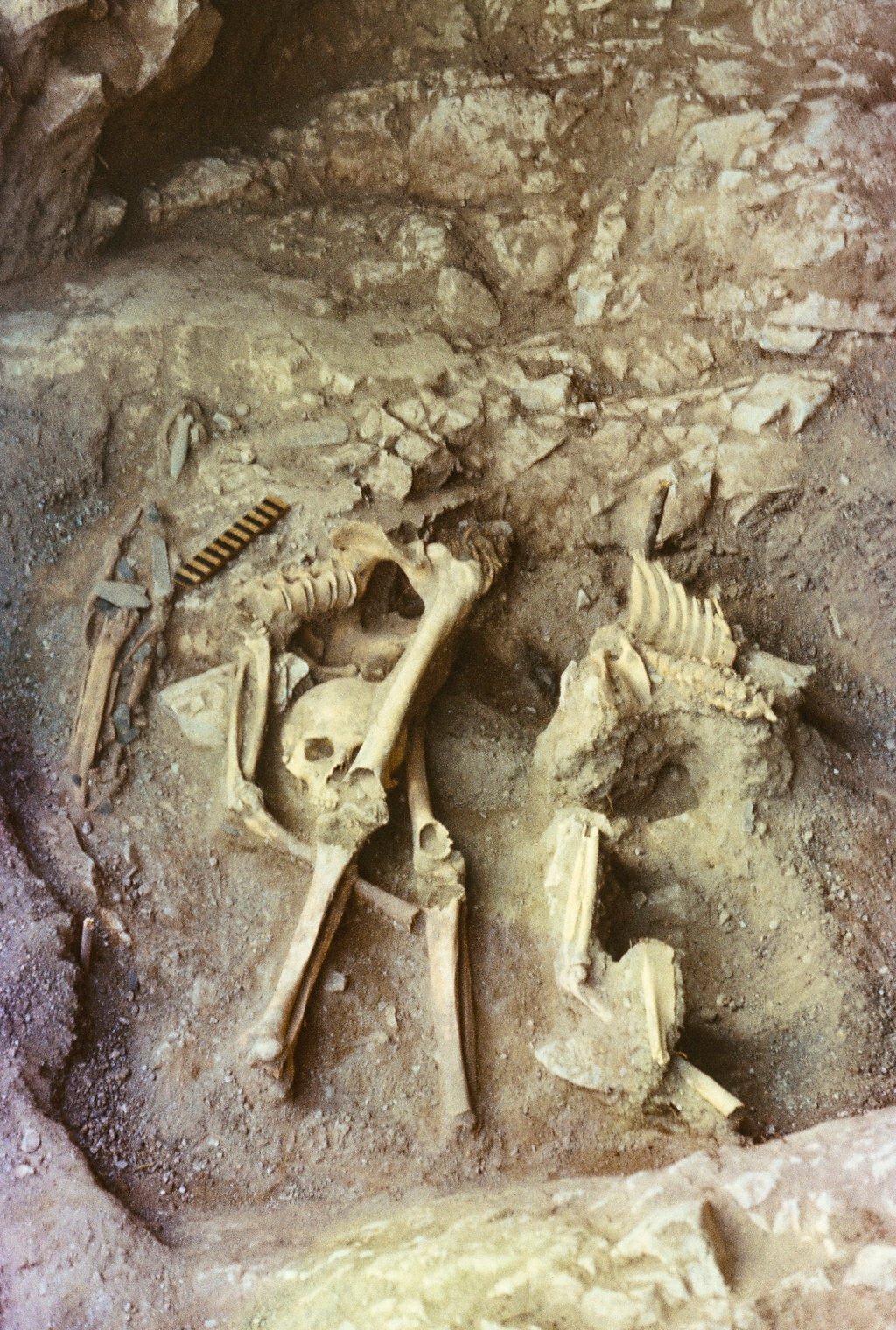
Their genetic data showed that this previously unknown hunter-gatherer group in the Altai were descendants of paleo-Siberian and Ancient North Eurasian people – two distinct groups that lived in Siberia during the last Ice Age.
The team – comprising members from China, Germany, Israel, South Korea and Russia – published their findings in the peer-reviewed journal Current Biology on Friday. “Northeastern Siberians experienced a prolonged Native American-related gene flow,” they wrote.
They said there had been “multiple phases of Native American-related gene flow into northeastern Asia over the past 5,000 years, reaching the Kamchatka peninsula and central Siberia”.