Scientists shrink China’s Starlink-killing microwave weapon with new power source
- Small pulse power device generates 10-gigawatt electron beam that can be used to drive a high-power microwave weapon, scientists say
- The condensed power source enables military to put microwave cannon on a truck or rooftop for surprise attacks on enemy targets passing across the sky

Military scientists have built a compact power source that could significantly reduce the size of a high-power microwave weapon under development in China, the team says.
The device can generate electricity up to 10 gigawatts in power at a rate of 10 pulses per second – an intense energy that could produce microwave beams powerful enough to fry chips in drones, planes or even satellites.
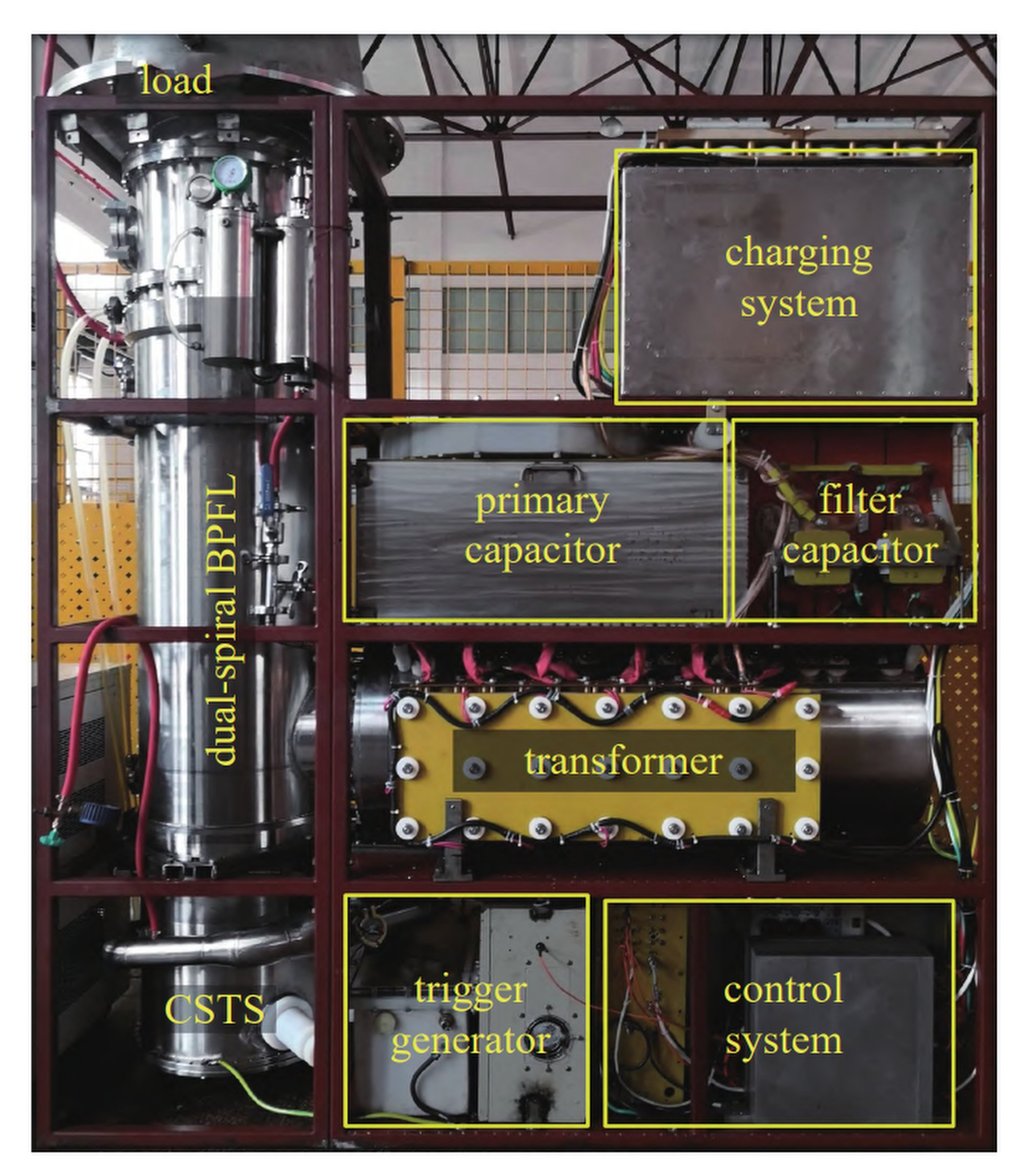
Usually, an energy supply system with such a high power output is complex, heavy and as big as a room.
The new device, with all necessary components including capacitors and a control system, can fit into a bookshelf, according to the team led by Shu Ting, of the College of Advanced Interdisciplinary Studies at the National University of Defence Technology in Changsha, Hunan province.
The small power source enables the military to put the microwave cannon on a truck or rooftop to launch surprise attacks on enemy targets passing across the sky.
The power device could work constantly by simply “plugging it into a city power grid”, said Shu and his colleagues in a paper published in the Chinese-language High Power Laser and Particle Beams journal on March 16.