Could Chinese-led team’s shape-shifter fridge coolant help freeze out HFC greenhouse gases?
- Refrigerants such as hydrofluorocarbons are greenhouse gases with a polluting effect far worse than carbon dioxide
- Chinese-US study says their powerful technology using shape memory alloy tubes could help phase out HFC use for commercial refrigeration

According to the researchers, their environmentally friendly refrigerator is capable of a large temperature span, is the most powerful cooler of its type and holds great promise for commercial utilisation.
Commonly used cooling systems work through a compressor that circulates the refrigerant substance between the condenser on the back and the evaporator inside. As the coolant keeps changing from liquid to gas and back, it carries heat away and creates a cool environment for storing food.
But some refrigerants, such as hydrofluorocarbons (HFCs), are super-polluting greenhouse gases. Their global warming potential is hundreds or even thousands of times worse than that of carbon dioxide.
The researchers said the new technology might help phase out HFC use, with their findings published in the peer-reviewed Science magazine in May.
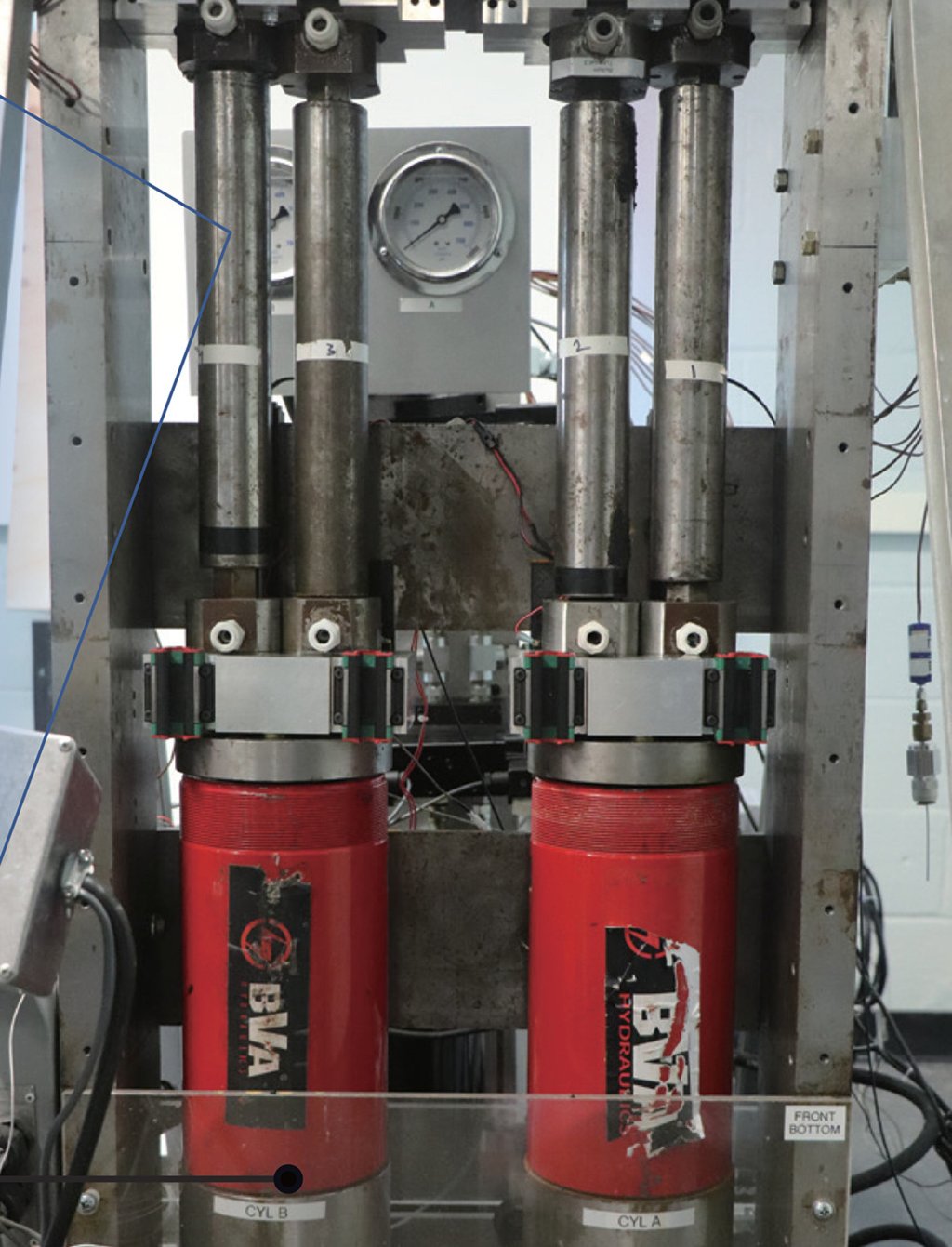
Stretching a metal tube can help it create steady periodic cooling in a young technology called elastocaloric cooling, named after the physical characteristics of shape memory alloys, which are highly elastic metals.
In response to mechanical stress, some shape memory alloys can become temporarily deformed – a process that is often accompanied by heat absorption.