Chinese-led team reports first evidence of puberty in dinosaur-era reptile, offering new insight into sexual development
- Scientists from China, Japan and Germany studied extinct 240-million-year-old Triassic-period marine reptile Keichousaurus
- Fossils show juveniles had rounded forelimb bone contours but by adulthood males had triangular contours while females kept rounded shape
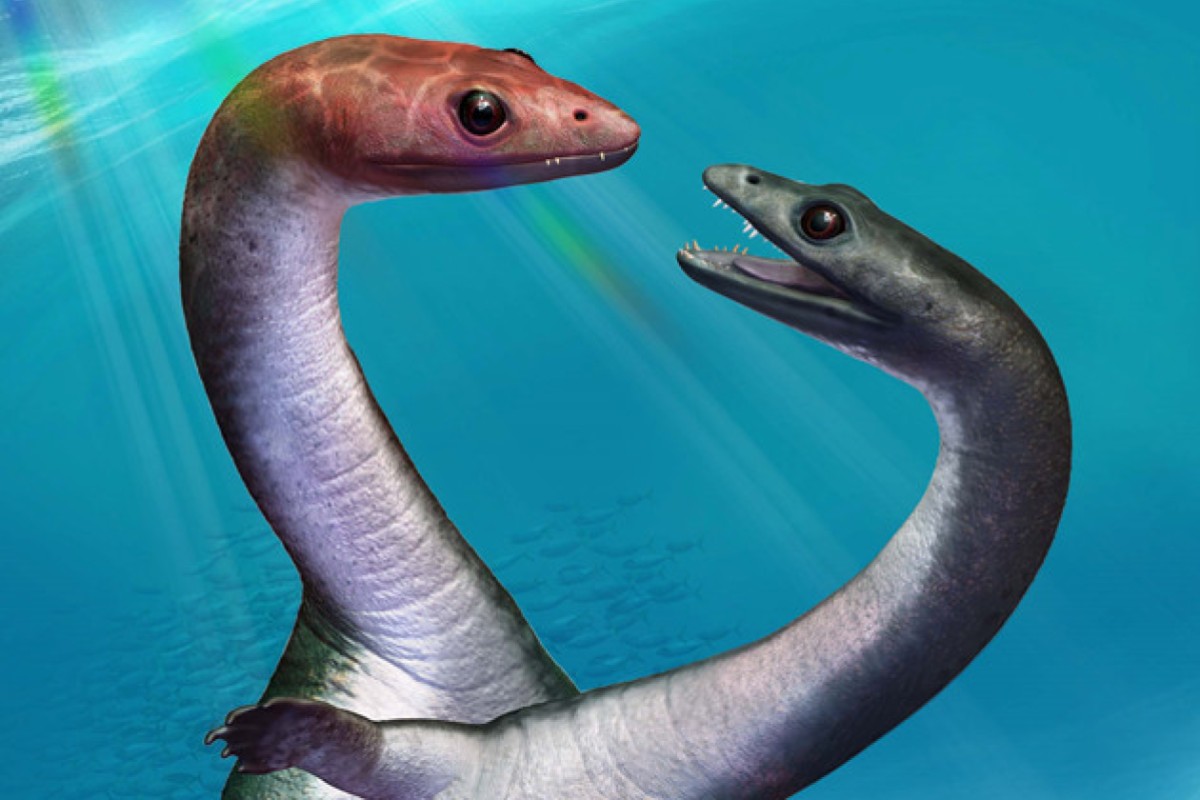
The team from China, Japan and Germany who made the pioneering discovery published their findings in the peer-reviewed journal Current Biology last week, offering new insight into the sexual development of prehistoric vertebrate species.
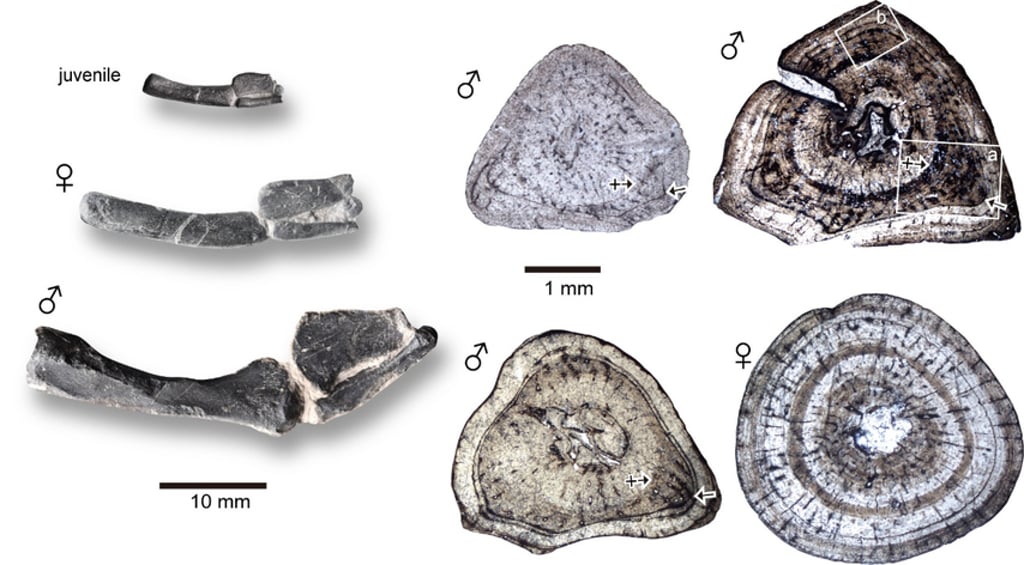
Through examining sections of its bones, the research team discovered that Keichousaurus males developed features distinct from females and reached sexual maturation through a process of puberty, which allowed them to develop advantageous features for combat and mating, such as larger and more muscular forelimbs.

02:00
Dinosaur fetus’ position inside Chinese egg fossil supports ancestral link with birds
Juveniles of the species have rounded forelimb bone contours, however by adulthood males had triangular contours while females retained the rounded shape.
After examining bone sections from 18 different individuals of the species, the researchers found a distinct stage in life in which the bone contours shift.