Chinese scientists who produced chimera monkey see chance to fine-tune research into human diseases
- The monkey was born with cells derived from two genetically distinct crab-eating macaques, according to paper in Cell journal
- Method could be used to create interspecies chimeras between endangered animals and similar non-endangered species, says author

The first live birth of a chimeric monkey with a high proportion of cells derived from a stem cell line was reported by researchers in China who see opportunities to study human diseases and create interspecies chimeras to pass on endangered DNA.
The monkey was born with cells derived from two genetically distinct cynomolgus monkeys – also known as crab-eating macaques – a monkey used in many biomedical studies.
After rats and mice, the monkey, which was born around two year ago, is the first chimeric species born in which a large proportion of cells are derived from an inserted embryonic stem cell line.
02:36
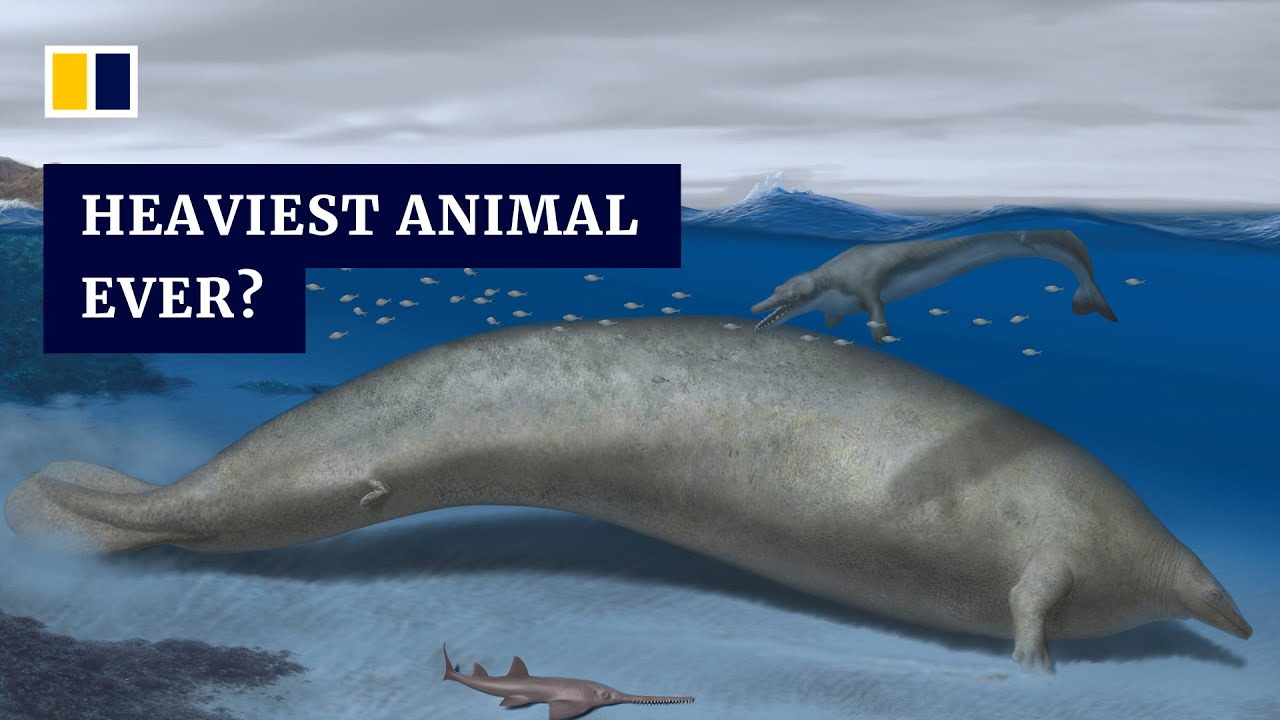
Scientists discover massive ancient whale, weighing more than modern blue whales
The paper, published in the peer-reviewed journal Cell on Thursday, found that the contribution of cell tissue derived from the stem cells ranged from about 20 to 90 per cent, with the highest contribution in the brain tissue.
“This work could help us to generate more precise monkey models for studying neurological diseases, as well as for other biomedicine studies,” said Liu Zhen, senior author of the paper from the Chinese Academy Sciences (CAS), according to a Cell press release.
Liu said the research had potential for species conservation.
To produce a live chimeric monkey, the researchers first derived nine stem cell lines from seven-day old embryos. The cells were then confirmed to be pluripotent – meaning they could develop into the different cell tissues needed to develop a live animal.
The cells were labelled with green fluorescent protein before they were injected into early embryos, which were then implanted into female monkeys, according to the press release.