Chinese scientists seek to recreate lost wonder of antiquity: Zhang Heng’s quake sensor
Han dynasty device from 2,000 years ago is said to have detected faraway quakes and their epicentres, but was it real? Opinion is divided

Earthquakes have haunted humanity for millennia – their sudden violence leaving civilisations scrambling for early warning. Even today, when a Japanese manga implausibly predicted “The Big One” hitting the country on July 5, it sparked widespread panic.
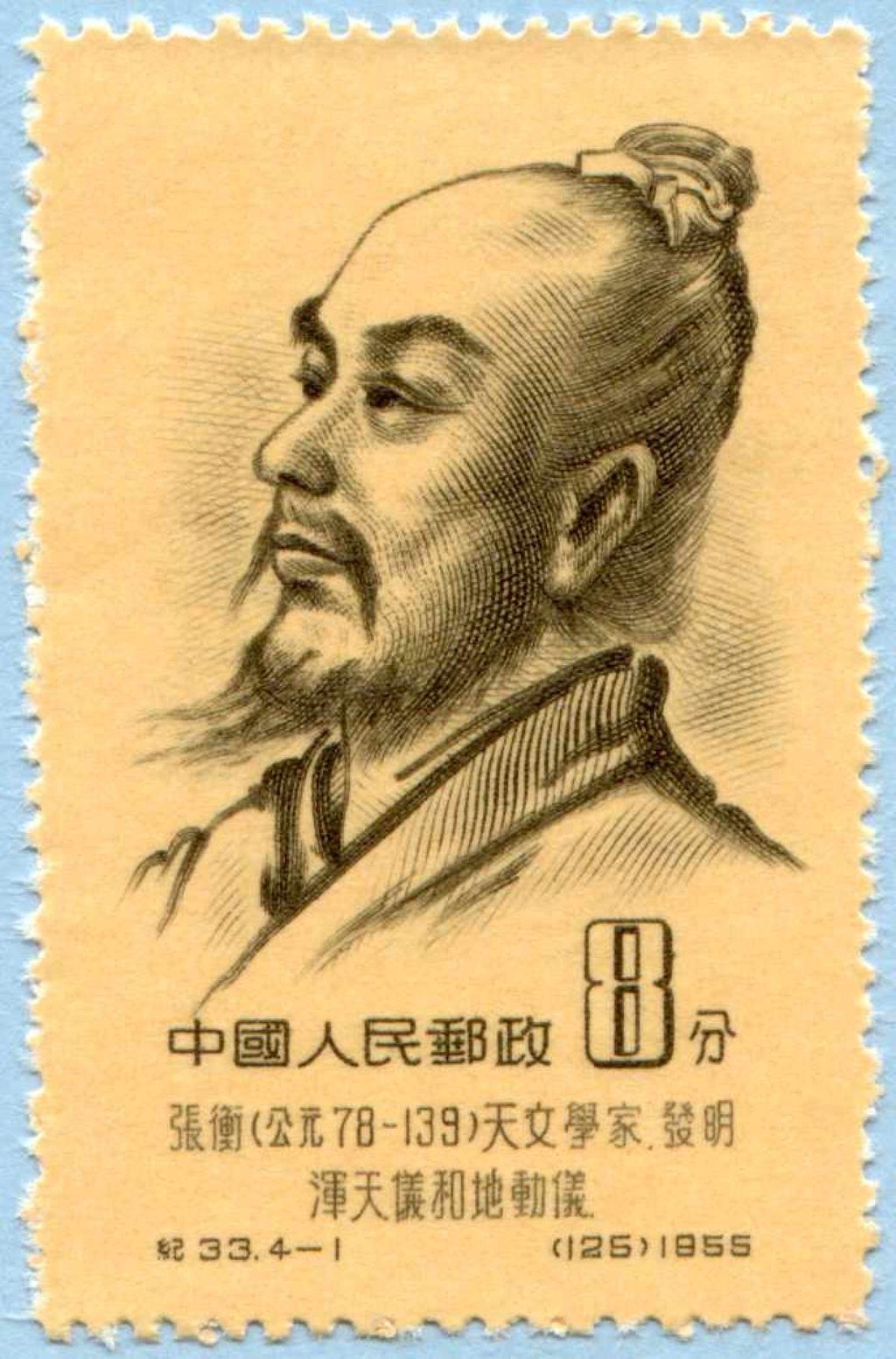
Scientists today rely on satellites, supercomputers and artificial intelligence to monitor seismic activity. But nearly 2,000 years ago, a Chinese polymath named Zhang Heng is said to have invented a device that not only detected faraway earthquakes but also indicated the direction of their epicentre.
However, despite being mentioned in historical records, the device has been dismissed by some scholars as mere legend, and it was removed from the Chinese curriculum in 2017.
Supported by modern science and fresh clues, a research team in China is now seeking to restore this lost wonder of antiquity – the Houfeng Didong Yi seismoscope – to its rightful place.
Picture an ornate wine jar encircled by eight suspended dragons, each clutching a bronze ball, as gaping-mouthed toads watch from below. When tremors strike, hidden mechanisms make one dragon drop its ball with a clang – pinpointing the quake’s direction.
It was “as accurate as the gods”, according to The Book of the Later Han, an official Chinese historical text covering the period from 6AD to 189AD.