China’s Tiangong beats ISS in heated space research race
Tungsten alloy reached temperatures exceeding 3,100 degrees Celsius in a container-free laboratory cabinet, setting a new record

On the ISS’s Japanese module, Kibo, scientists used a similar method – known as electrostatic levitation – to suspend tiny metal samples in mid-air and heat them with lasers, reaching around 3,000 degrees. The technique eliminates the need for a physical container that could contaminate or interfere with the sample at extreme temperatures.
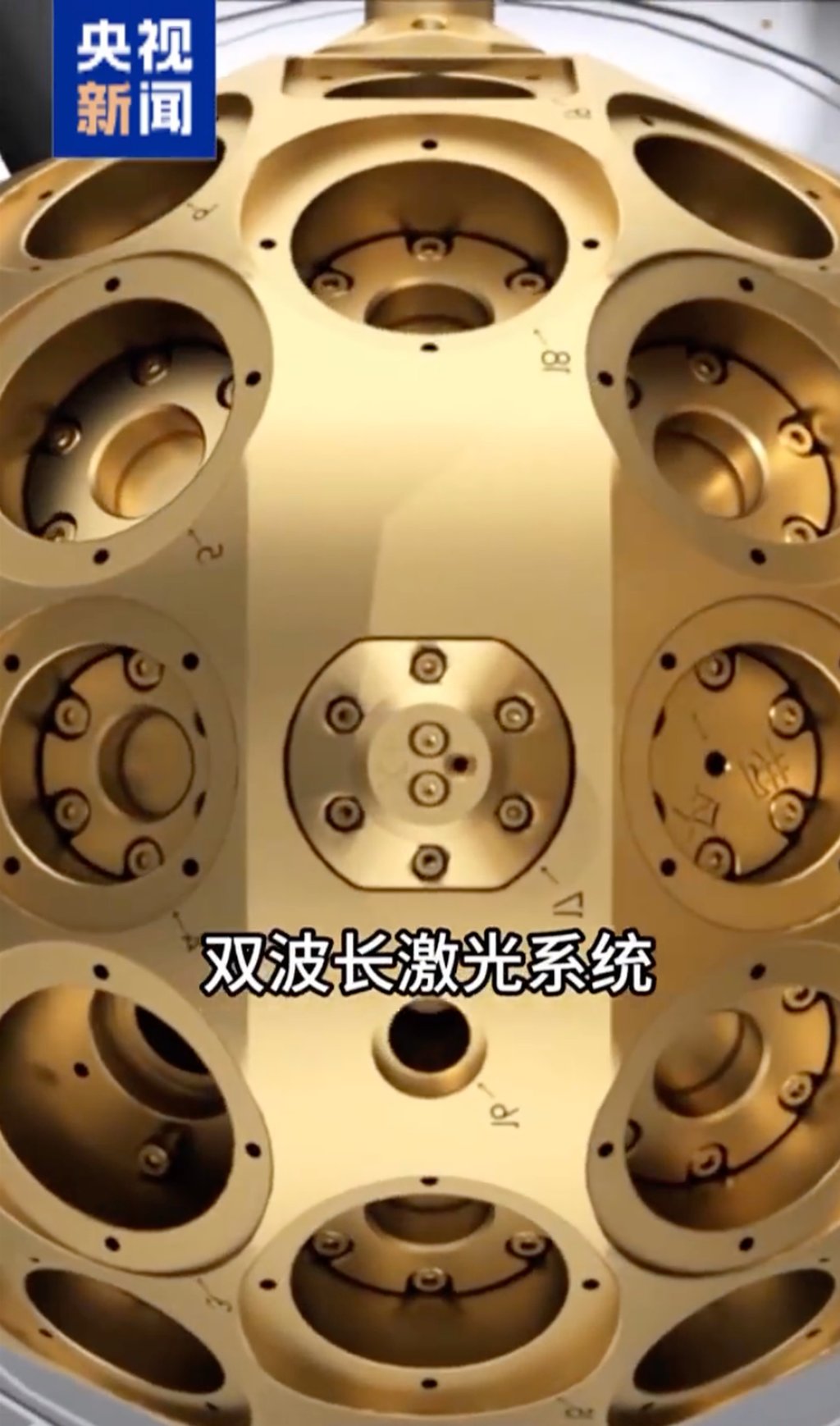
The Chinese experiments, conducted in a container-free laboratory cabinet inside Tiangong’s core module, aimed to study heat-resistant materials used in fusion reactors, rocket engines and hypersonic vehicles, according to state broadcaster CCTV.
The cabinet was developed by physicist Hu Liang and his team at Northwestern Polytechnical University in Xian, Shaanxi province.
“The findings will help scientists design better tungsten alloys and support fundamental research into ultra-high-temperature materials for nuclear and aerospace applications,” Hu told CCTV.
He added that the experiments also demonstrated the reliability of the cabinet. In operation for four years, the device has been used to test tungsten alloys, niobium alloys and other advanced materials in orbit.