China’s 2030 moon landing: scientists suggest a site that has long been on Nasa’s radar
Research team cites abundant mare basalts, river-like valleys formed from surface lava flows and deposits of volcanic materials

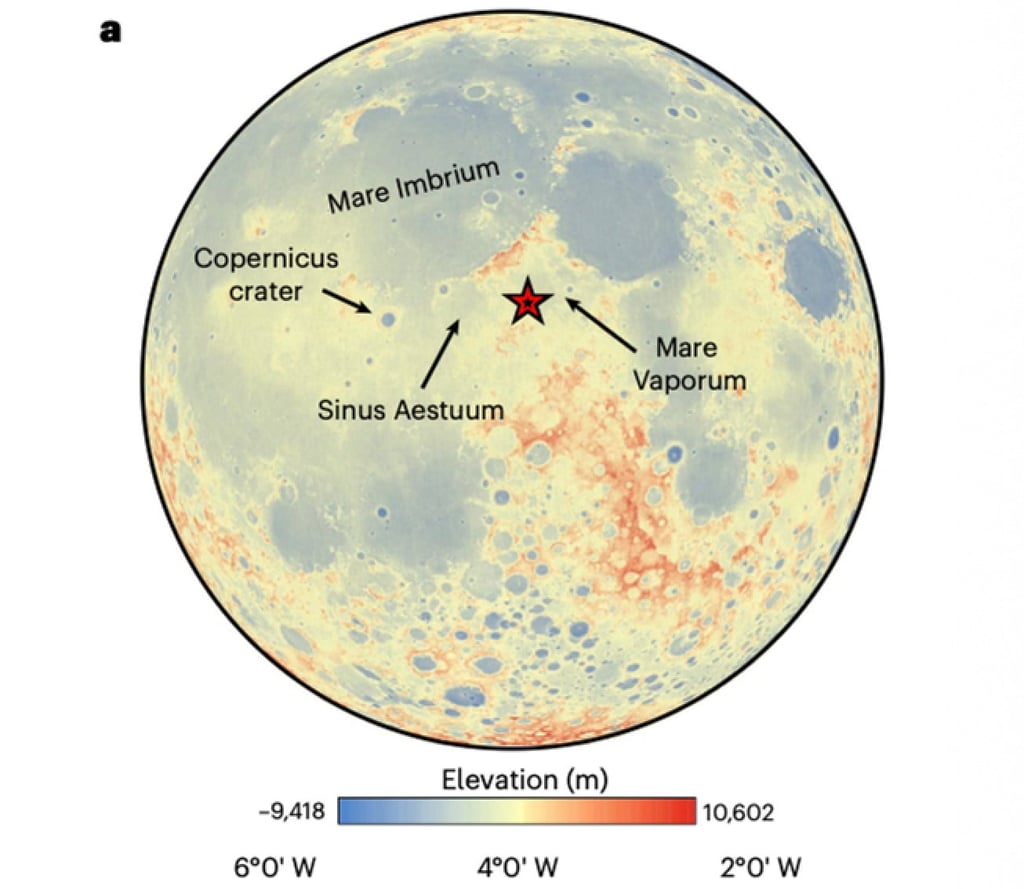
The Rimae Bode region on the lunar nearside is favoured for its diverse geological samples, including volcanic debris, for studying lunar volcanism and its relatively flat ground for safe astronaut access.
“Rimae Bode lies in an easily accessible, low-latitude, nearside location with generally flat, traversable terrain,” they wrote in a paper published in the peer-reviewed journal Nature Astronomy on Monday.
“Both the high scientific value and the favourable landing and exploration conditions make the Rimae Bode region a candidate for missions like the Nasa Constellation programme and China’s first crewed lunar mission.”
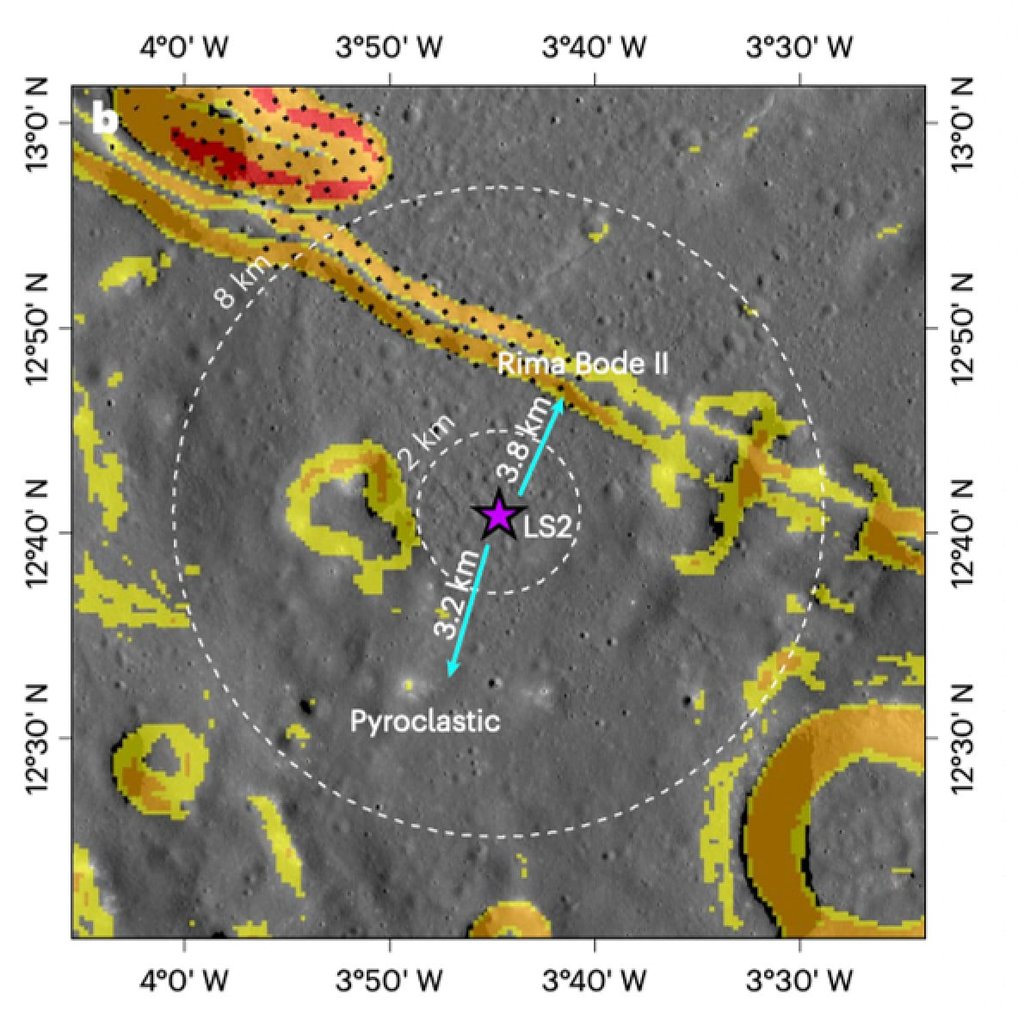
Months before it was cancelled, Nasa published a close-up image of a site “near a Nasa Constellation region of interest”. It shows a small fresh crater 230 metres (755 feet) wide with dark ejecta, or material thrown out from an impact or eruption, in the highlands near Rima Bode II, a mare unit that was also analysed and identified as one of the four feasible landing sites in the latest paper.
In the new study, the researchers from the China University of Geosciences in Wuhan, Guilin University of Technology, the Chinese Academy of Sciences and the University of Münster College of Science used orbital images and measurements to study a targeted area of the Rimae Bode.