China says desert moss suited to Mars as it tests hi-tech tools for space and astronauts
Latest in-orbit results from prototype Qingzhou cargo spacecraft show China is testing cameras, refrigeration and bio-support capsule

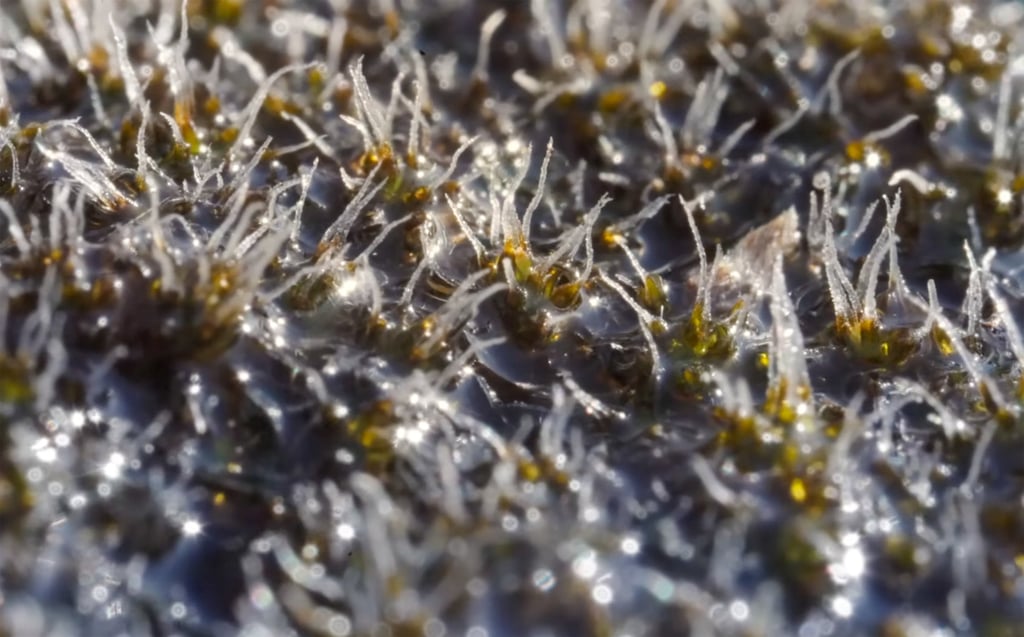
The plant, a highly drought-resistant species called Syntrichia caninervis, was revived after it was subjected to a series of extreme space conditions – including microgravity, intense radiation and severe dehydration – according to the report.
Chinese scientists had previously established in simulated Martian environments that the moss was a promising pioneer species for colonising extraterrestrial worlds.
The findings are expected to “provide theoretical backing” for its use in low-energy ecological improvement and the in-situ use of local resources for future off-Earth settlements.
The experiment was among the latest in-orbit test results from the prototype Qingzhou cargo spacecraft that were released on Monday following an earlier batch of scientific and engineering trial outcomes announced in April.
According to CCTV, the results are expected to help China deploy its new space technologies, operate and maintain the space station safely and efficiently, and make the best use of future space resources.