Director of China’s ‘Journey to the West’, Yang Jie, dies aged 88
Director-producer only completed television adaptation after a 17-year break

Yang Jie, director of the popular and critically acclaimed TV adaption of the Chinese literature classic Journey to the West, died of a heart attack in Beijing on Saturday. She was 88.
In China’s 30 years of TV production, few Chinese dramas match the influence of Yang’s adaptation of the 16th-century novel, which accounts the arduous westward pilgrimage of a Tang dynasty Buddhist monk, in the company of three disciples including the Monkey King, Pig Demon and Water Buffalo, in search of Buddhist sutras.
Since its first episode aired on the Chinese mainland in 1983, the first mythology-themed show in China has lit up domestic TV screens almost every year with avid followers that cross generations, and inspired many global adaptations. The story of its success often overshadows the difficulties behind the production, which took Yang two attempts to complete the full 41 episodes, with 17 years between them.
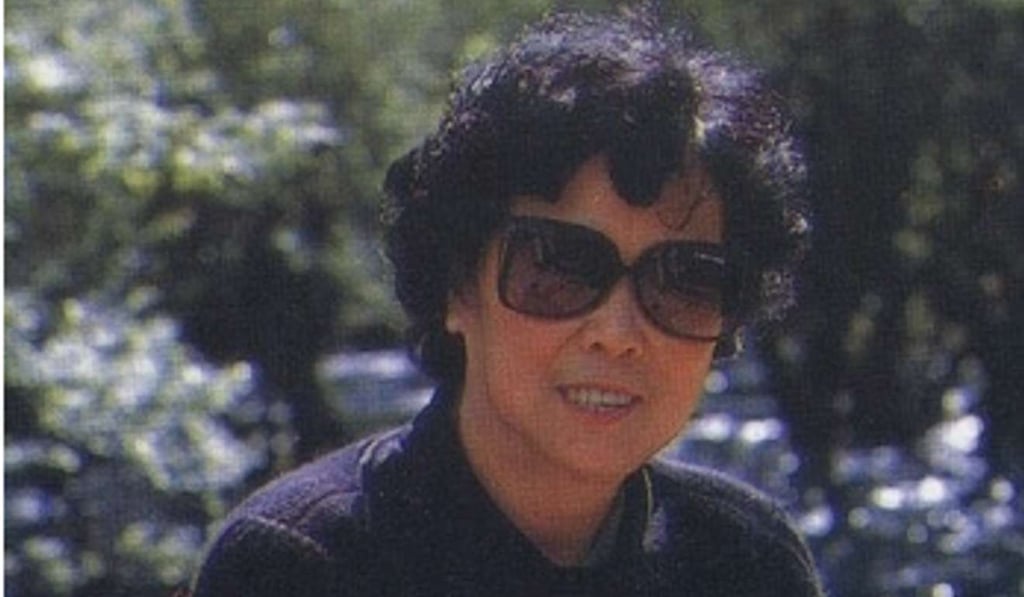
In an autobiography published in 2014, Yang wrote, “I once refused to watch Journey to the West for a decade, because it reminded me of too much disappointment and sadness, agony and anger.”
At the end of 1981, Chinese reformist leader Hu Yaobang, then general secretary of the Communist Party, green lighted state-run Chinese central television to dramatise Chinese literary classics, at a time when TV production had just started to pick up in China.
Yang, a radio host-turned-director of Chinese opera at CCTV at the time, took the job of adapting Journey to the West as a TV series. When a deputy director at CCTV told her she only needed to do better than the Japanese TV adaption of the novel, Yang replied, “Sir, your standard is too low,” according to a 2012 interview she gave Shaanxi-based newspaper China Business View.