The last Chinese wild oyster and the scientists trying to keep it off the dinner table
Researchers have found the last surviving wild habitat of the Suminoe oyster and say it ‘must not end up as food’

Marine biologists say they’ve discovered the last surviving natural habitat of a species of oyster native to China in the Bohai Gulf – but they’re not saying where it is for fear Chinese foodies will destroy it.
“If the coordinates get out, it will set many mouths watering,” said Professor Li Li, researcher with the Institute of Oceanology, Chinese Academy of Sciences in Shandong province. “We have no choice but to keep it secret.”
The discovery was the result of a detailed scientific survey by a team of marine biologists from the institute, which Li headed.
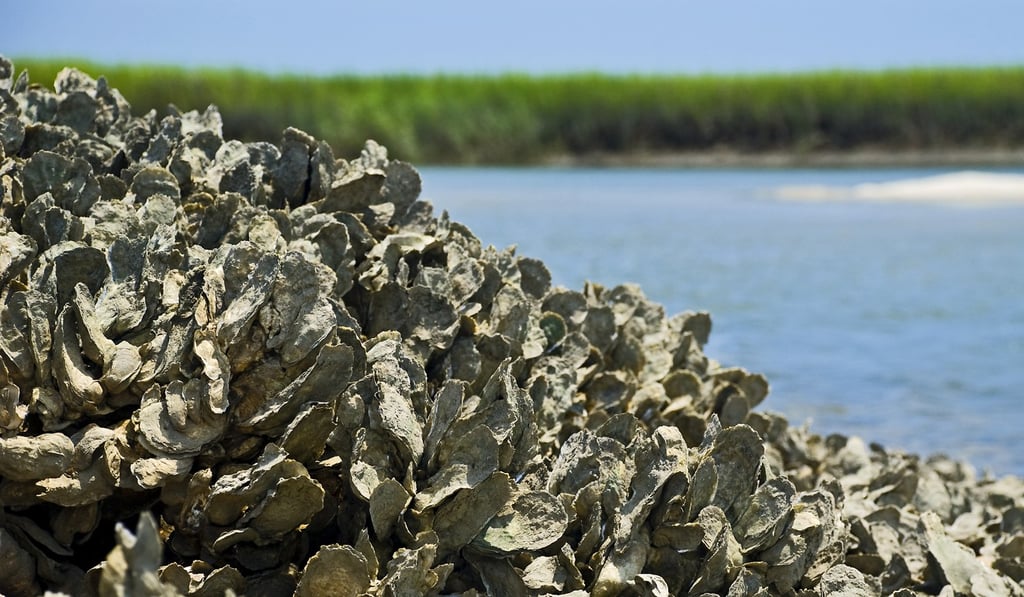
The Crassostrea ariakensis,or Suminoe oyster, used to be the dominant native species along China’s coast, ranging in the 1950s from the country’s border with North Korea all the way south to Vietnam.
It often was found in huge numbers in bank-like colonies, according to early scientific surveys.