Chen Xiaoyi draws from Western abstract art and Eastern thought to explore the sublime

Chen Xiaoyi is an up and coming contemporary artist who uses a combination of photography and printmaking to create abstract pieces that have been displayed around the world. A Sichuan province native, Chen received a bachelor’s degree in photographic journalism at the University of Leeds in Britain and a master’s in photography from the University of the Arts London. Her work draws on both Eastern and Western influences to achieve a “natural, oriental aesthetic”. The 25-year-old was awarded China’s prestigious Three Shadows Photography Award in 2015.
How did you first get into photography?
When I was twelve I started to play with a camera because of my grandfather. He was an engineer, so he had a lot of these kind of machines. But at that time, I was not really thinking it was going to be my career. I was in Sichuan, which is near Tibet, and we have really high mountains and beautiful landscapes. I loved to hike and to drive a car to these kind of beautiful places. I really loved to be in natural areas and to take photographs when I was a teenager. This became my habit to go everywhere and take my camera with me.
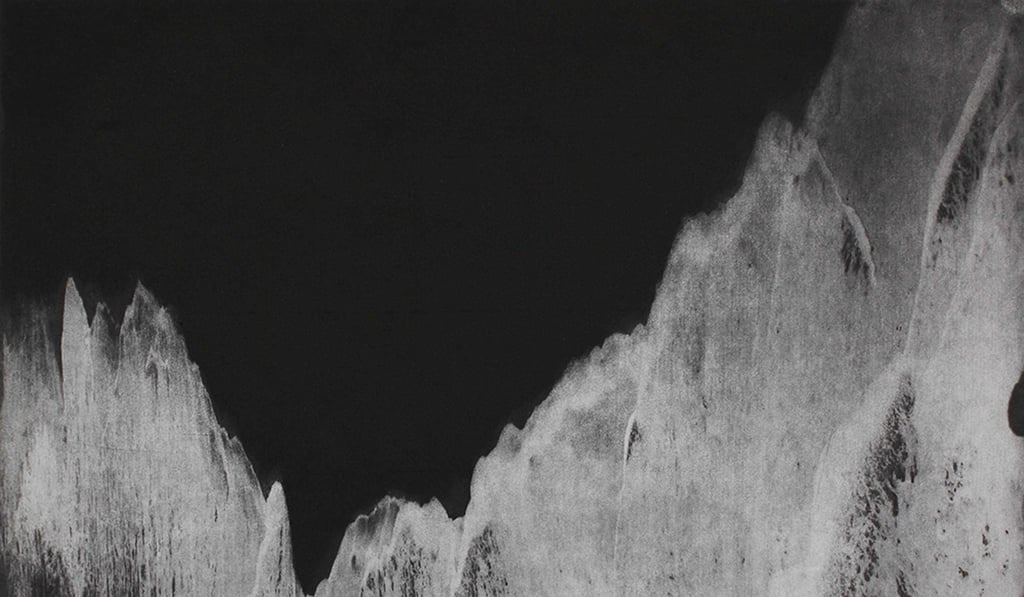
How did your photography develop from this initial interest into a form of artistic expression?
When I applied for my BA at Leeds, I was curious about journalism, and I thought I was going to be a journalist. But then the journalism teacher taught us you need to use photos to tell a story. When I did some of my work, I was bored with this. I don’t want the image just to tell the story. We can use literature, we can use words, we can write, we can talk, so why would we still use images? Images should represent other stuff as well. So that was kind of the beginning. I was thinking about real photography, what is photography? Sometimes we use photography as a kind of accessory of journalism. I was thinking, we need photography to be the subject, the real subject, the main part. You can see from all of my work, it’s all kind of abstract and non-narrative because I don’t want to turn them into a story, I don’t want them to be just surface. I want people to really experience the image, to have a dialogue with the image itself.