From Mao’s vow to Xi’s ‘space dream’, China takes another step on its Long March to the moon
Tiangong-1 came back to Earth with a bang on Monday, but it did little to diminish Beijing’s ambitions to become a global space power

The plunge back to Earth of a defunct Chinese space laboratory will not slow down Beijing’s ambitious plans to send humans to the moon.
The Tiangong-1 space module, which crashed on Monday, was intended to serve as a stepping stone to a manned station, but its problems highlight the difficulties of exploring outer space.
Nonetheless, China has come a long way in its race to catch up with the United States and Russia, which have lost spacecraft, astronauts and cosmonauts over the decades.
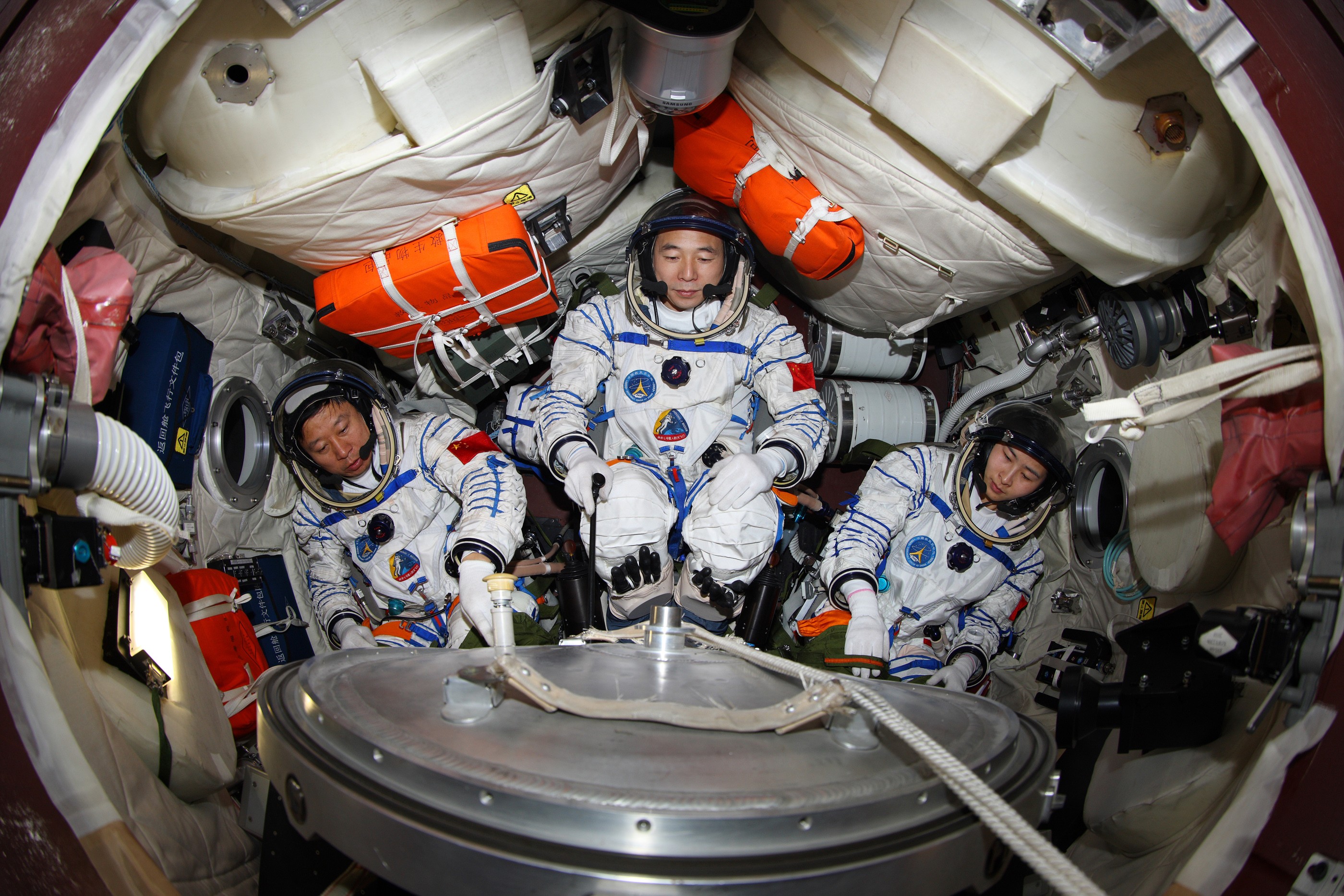
China’s astronauts have fared better and Beijing sees its military-run space programme as a marker of its rising global stature and growing technological might.
ere is a look at China’s space endeavour through the decades, and where it is headed: