Mass appeal: why China’s unofficial Catholic churches are a hit with foreign believers
The promise of a personal experience and freedom to discuss the religion are drawing visiting Catholics towards unofficial worship spaces

At 10am on a Sunday morning, more than 100 foreigners wait outside one of the embassies in Beijing’s eastern Chaoyang district.
One by one they hand over passports, go through a turnstile guarded by Chinese soldiers and scan their bags before they enter a function room full of fold-out chairs facing a makeshift altar.
By the time the Catholic priest starts saying mass, the room will be packed.
Five kilometres across town on one of the city’s most famous shopping streets, a handful of Westerners join the congregation filing in for a 4pm English service at state-run St Joseph’s Church.
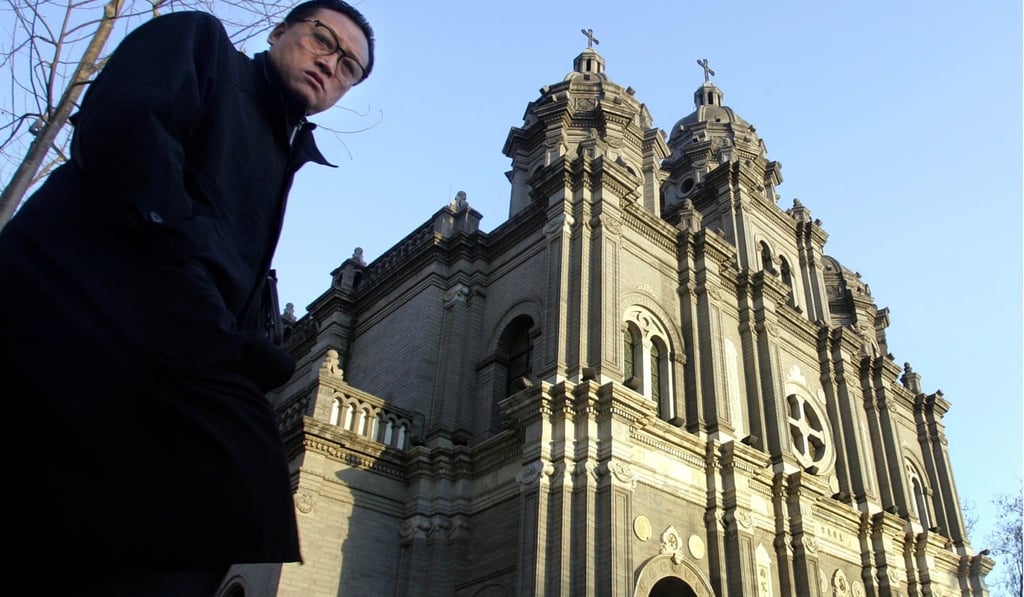
Inside the grand grey Wangfujing church originally built by Jesuit missionaries in 1655, security cameras scan the people in the pews and priests at the altar.
On the surface, the church and the embassy function room offer the same services – they are both in English, they follow the same mass format and they would be familiar to Catholics anywhere in the world.