China’s autistic children and a pioneering woman’s model for rehabilitation
From four children in rented classrooms to 7,500 across its dedicated centres, Wucailu has led the case for countrywide strategies and greater resources

Sun Menglin never expected to find so many obstacles in her path when she set out to help autistic children.
But after 14 years of persistence, during which she has grown the Beijing-based Wucailu from nothing into the country’s largest autism research and intervention centre, the 57-year-old has overcome plenty of them.
Now with more than 190 staff, the aim for Wucailu is to expand nationwide its rehabilitation work with children in Beijing and in its recently established centres in Shanghai and Xuzhou, in the eastern China province of Jiangsu.
“We hope to create an open platform for domestic and foreign scientists to study autism and build national standards for therapists,” Sun said.
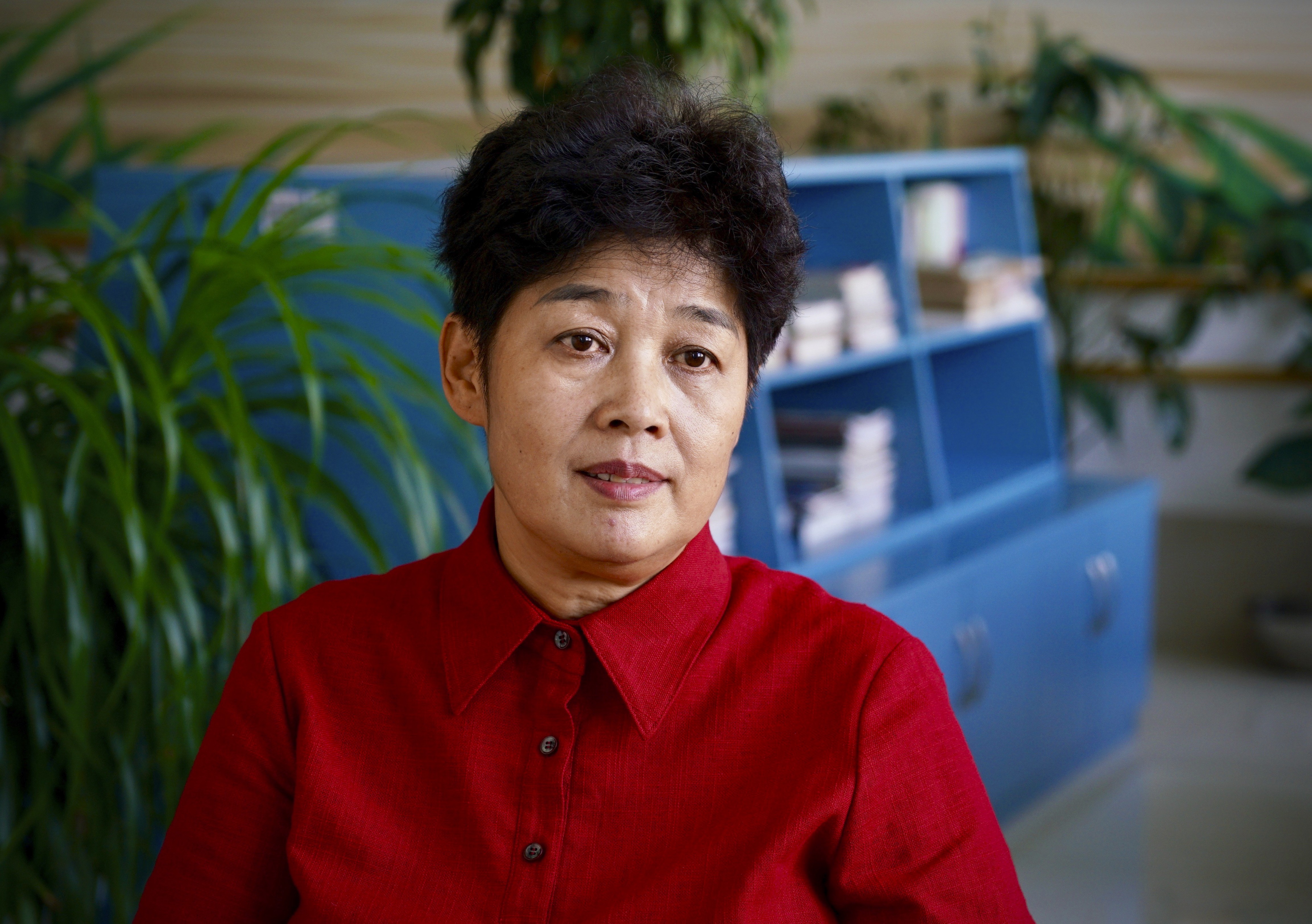
Sun could have been enjoying a comfortable life abroad, having been educated partly overseas and previouslylived with family in Canada. But when, after seven years as a housewife, she was asked by her own son whether she had any dreams to pursue, she made up her mind to add purpose to her life by devoting herself to public welfare.
After volunteering at orphanages, nurseries and hospices, she decided to focus on autism research, as she observed one sad story after another revealing that families were torn apart because of the disorder, without adequate support from China’sinstitutions.