Traditional Chinese medicine closes in on US$50 billion market with long-awaited nod from WHO
The World Health Organisation is including a chapter on China’s ancient medicine programme in its influential book classifying thousands of diseases

When Chinese President Xi Jinping gave the World Health Organisation a bronze statue last year showing acupuncture points on the body, the move was widely seen as an expression of Beijing’s ambition to win global acceptance for traditional Chinese medicine (TCM).
Now, that dream may be moving closer to reality.
TCM, which originated in ancient China and has evolved over the years, is set to receive its first-ever official endorsement from the WHO next May at the World Health Assembly when the international public health agency dedicates a chapter to it in its 11th version of the “International Statistical Classification of Diseases and Related Health Problems”.
A classification system on traditional medicine will be featured in Chapter 26 of the work, which provides a system of diagnostic codes for classifying thousands of diseases, according to a report published this week in the British scientific journal Nature.
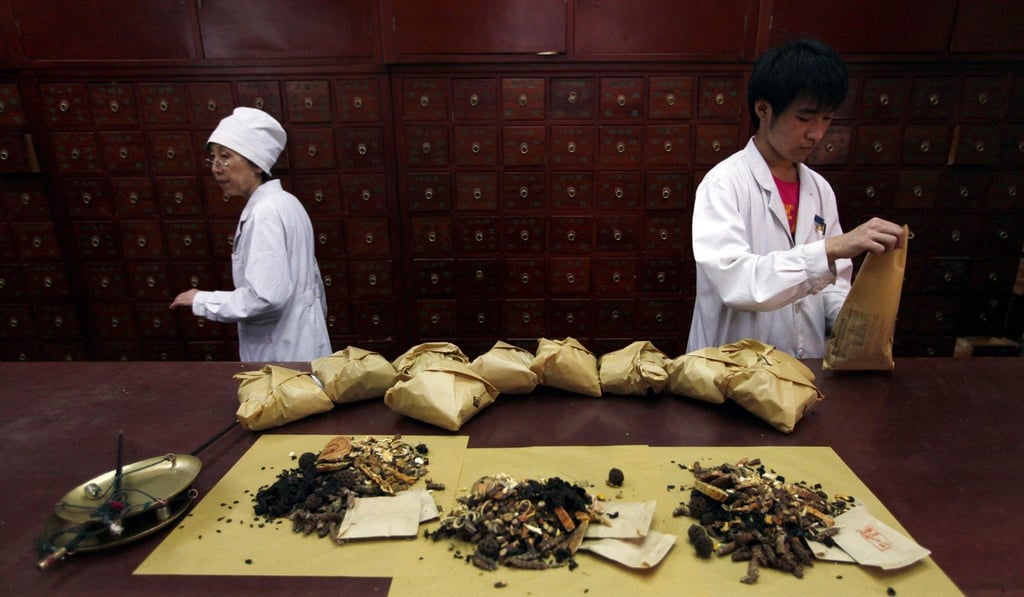
Although the safety and effectiveness of TCM is still controversial in China – of 1.57 million adverse drug reactions and incidents in the country last year, 16.1 per cent were related to traditional Chinese medicine – the government has set a national strategy for TCM development.