Why don’t Hong Kong Canadians just say they are Chinese? Because of subethnicity, and this is why it matters
- A study of ethnic Chinese in Vancouver points to the wide gaps between Hongkongers and mainlanders, defying assumptions about ‘Chinese Canadian’ homogeneity
- Politics, language, and battles over ‘cultural authenticity’ serve as dividing lines – but some friendships manage to bridge the subethnic gap

Hong Kong people come from a colony and ought to act “more civilised”. Taiwanese are “old-fashioned”. Mainland Chinese are “rich but rude”.
Welcome to the awkward world of Chinese subethnicity in Canada, where its various communities tend to self-segregate, discriminate against each other and generally defy assumptions of homogeneity among “Chinese Canadians” that are imposed from outside the group.
Subethnicity among Vancouver’s ethnic Chinese is the subject of new research by academics Miu Chung Yan, Karen Lok Yi Wong and Daniel Lai. It focuses on the wide gaps between Vancouver’s mainland Chinese and Hong Kong communities, drawn on lines of language, geography, culture and politics.
“The influence of transnational politics on interpersonal interactions at the individual level cannot be underestimated,” the study concludes, with political conversation “taboo” between the groups. “Avoidance is a major strategy,” says the study, published last month in the journal Asian Ethnicity.
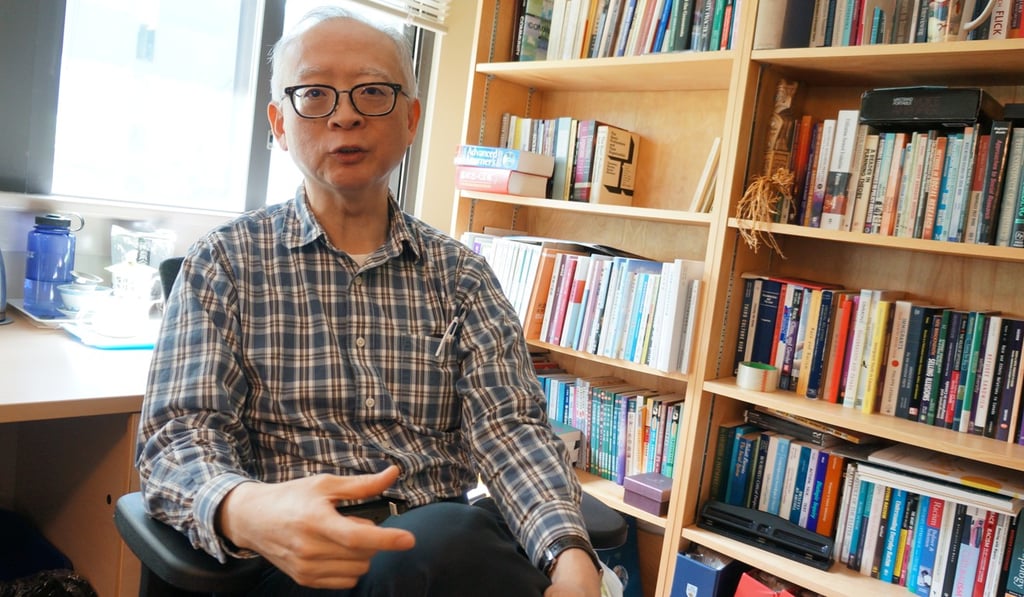
Professor Yan, the director of the social work department at the University of British Columbia (UBC), spent four years studying subethnicity for the project.
Some of the results were “common sense among Chinese”, he said, but might surprise others. People in the Chinese subethnicities tend to stick to their own kind when making friends. Language can divide them.