How urban life takes its toll on residents of China’s biggest cities
- Chinese Academy of Social Sciences’ Blue Book of Social Mentality 2019 reveals differences in life across cities and gulf in satisfaction between sexes
- As result of rapid urbanisation, 60 per cent of China’s population lives in cities today compared with 25 per cent about 30 years ago

Residents of China’s biggest cities face far more pressure in terms of housing, income, employment, and supporting children and the elderly than those in other cities, a study by a state think tank showed.
While income and employment are the two most important factors affecting the happiness of Chinese urban dwellers, regardless of their city size, those who earn no more than 7,000 yuan (US$1,003) a month endure greater stress if they live in Beijing, Shanghai, Shenzhen and Guangzhou, according to the study by the Chinese Academy of Social Sciences.
Traffic is also a major source of stress for residents in the four cities, according to the Blue Book of Social Mentality 2019, which examined life in more than 340 cities.
They also are most unhappy about their marriages compared with people from smaller cities, it said.
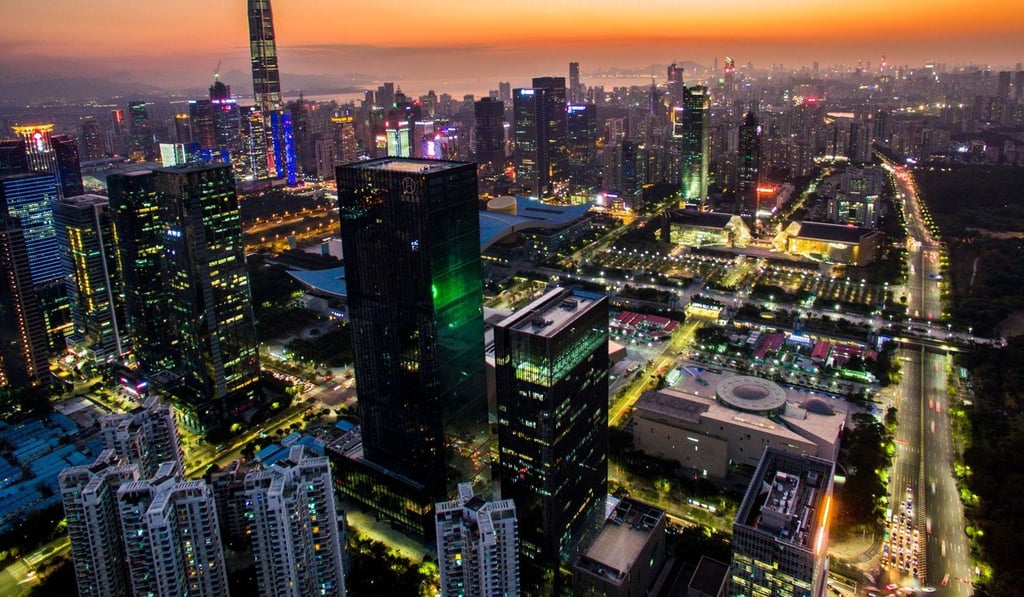
The findings were based on a survey of more than 22,000 people aged between 18 and 70 from six types, or tiers, of cities assessed by factors including size, population and GDP.
“Over the past decade, home prices in Beijing, Shanghai and Shenzhen have surged to a level that is unreachable for most people. There’s also been quite a big increase in second, third-tier cities or even smaller ones,” said the study, an annual report on attitudes to life found across Chinese society.