China’s subways track commuters as security takes on a silent, hi-tech face
- Authorities are turning to technology to safeguard and streamline checks for the millions of passengers using underground networks around the country each day
- But critics have raised privacy concerns and questioned the need for ever more controls in a society that already has an extensive public security system

On a winter weekday morning, 26-year-old cartoon designer Li Yining was shivering at a pedestrian bridge leading to a subway station on the outskirts of Beijing. He huddled in his black down jacket, browsing news on his mobile phone while slowly shuffling forward in a 20-metre (65-foot) line towards the station entrance.
“It’s totally a waste of time,” Li said, pointing to security guards nonchalantly waving metal detector wands over each passenger in the jammed station hall. Meanwhile, luggage, backpacks, handbags and all kinds of belongings were on a sluggish conveyor belt trundling through an X-ray machine.
“It takes me at least 10 minutes to wait and get through the security checks every day,” said Li, who has a two-hour daily commute. “What’s the point of wasting the time of so many people?”
According to the China Association of Metros, the country’s subway system is among the busiest in the world, with Beijing and Shanghai networks each carrying more than 10 million passengers a day on average, three times as many as on London’s Tube and twice as many as the New York system. Subways in other big cities in China, such as Guangzhou, Shenzhen, Chengdu, Nanjing and Wuhan, each carry millions of passengers each day.
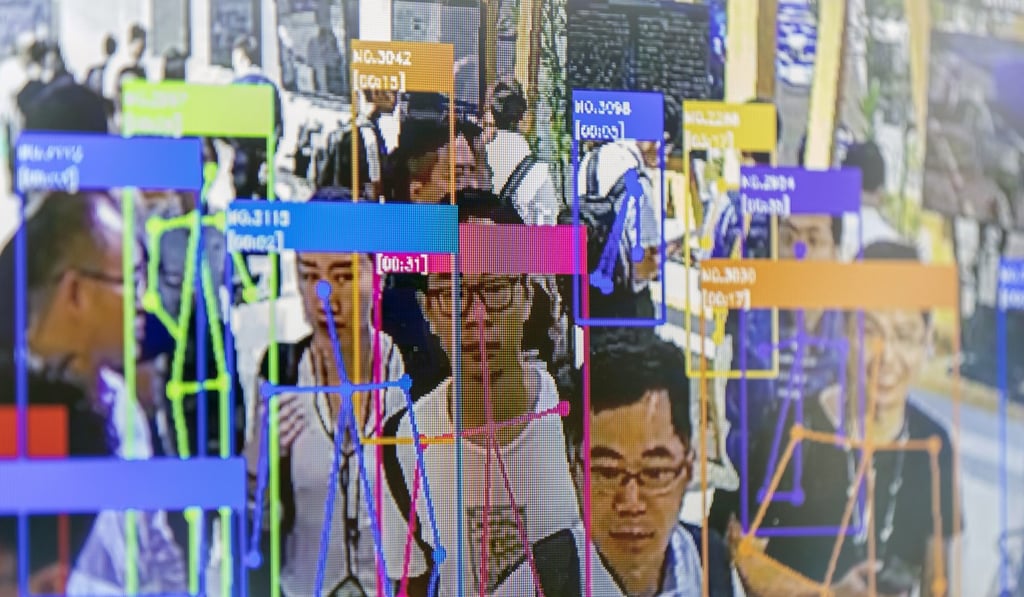
Beijing alone had nearly 30,000 security guards in 882 subway checkpoints as of 2018, official data show. That security task force costs the Beijing municipal government about 1.7 billion yuan (US$247 million) a year, or 125 yuan (US$18) from each taxpayer in the city.