Why wild animals are a key ingredient in China’s coronavirus outbreak
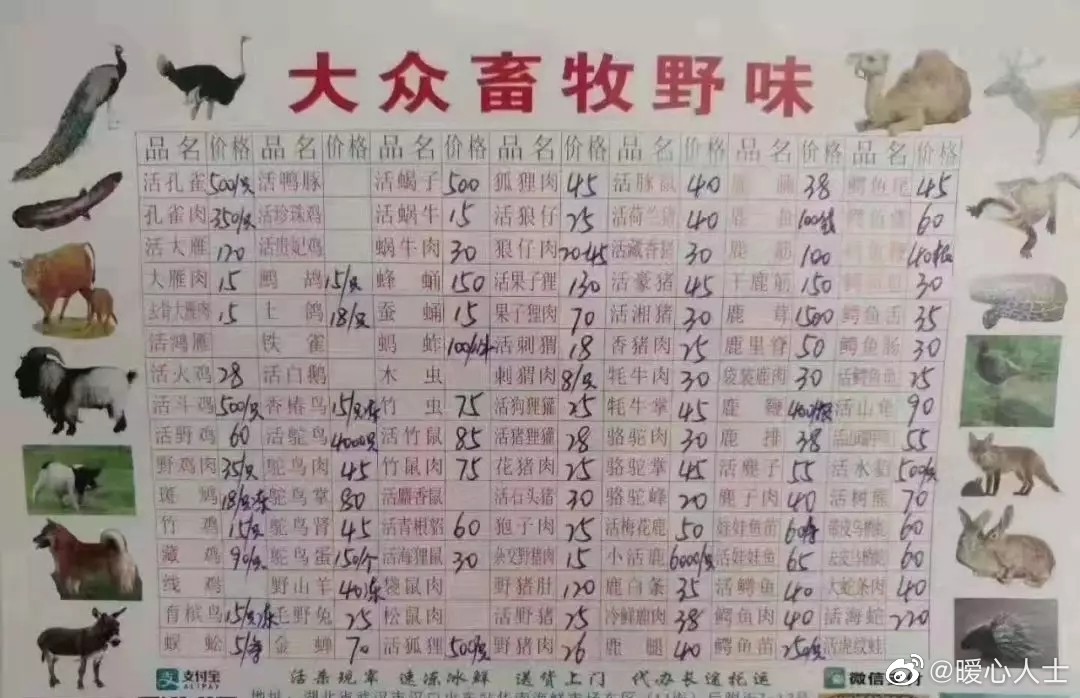
- Civets and wolf cubs were just some of the exotic items advertised for sale at the Wuhan market at the epicentre of the infections
- Novel dishes are part of identity for some people in China but diners just need to say no to eating such food, researcher says

According to official reports, as of 11pm Wednesday, the previously unknown coronavirus had killed 17 people and infected 541 others.
Most of the infections and all of the deaths were in Hubei province where Wuhan is located, including 375 in the city itself. Many worked or lived near Huanan Wholesale Seafood Market, which experts believe is the source of the outbreak, with the virus jumping from wild animals on sale there.
The market was shut down in late December at the start of the outbreak and is now under surveillance by security staff.
One stall that was on the east side of the market caught people’s attention online. According to a menu posted by the stallholder on Dazhong Dianping – the most popular review and rating app in China, around 100 varieties of live animals and poultry were available, from foxes to wolf cubs and masked palm civets.