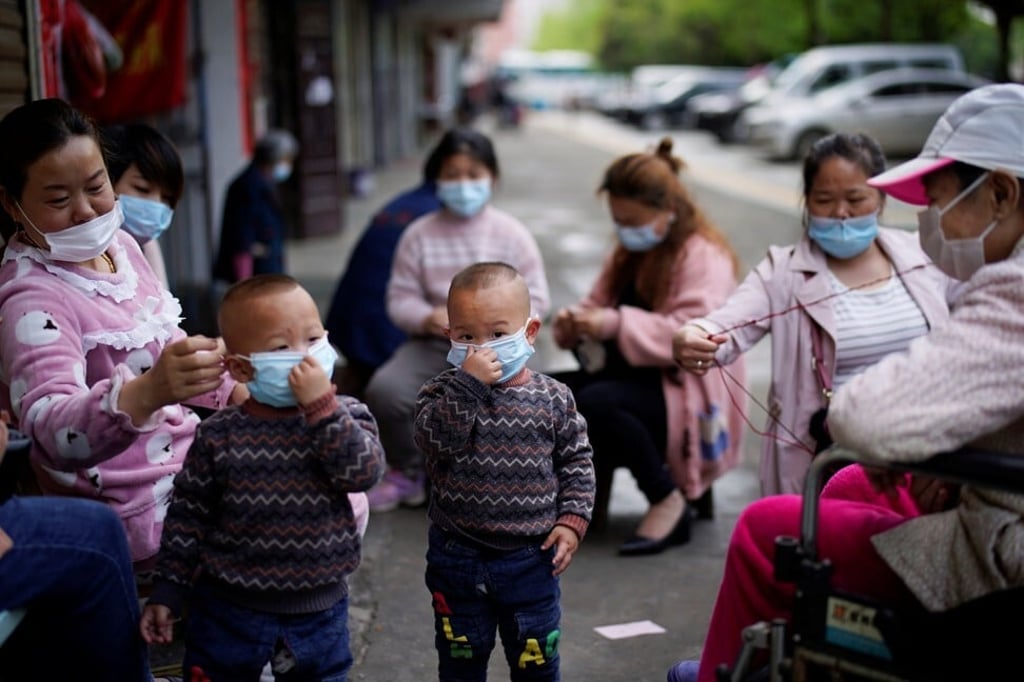
Female frontline workers in China typical of coronavirus economic and domestic burden on women: report
- Domestic violence and inequality are issues facing Asia-Pacific women during pandemic, says UN Women report
- Women and girls disproportionately affected by health, education and labour-related hardship

The report, titled “The First 100 Days of the Covid-19 Outbreak in Asia and the Pacific: A Gender Lens”, said women and girls were affected by Covid-19 disproportionately to men and boys. And they were less resilient and less able to control the effects of the outbreak.
Women provide most home-based care and make up most the global health workforce on the frontline of the outbreak.
Women make up more than 90 per cent of frontline health workers in Hubei province, where the outbreak was first reported, yet fewer than one in five experts who make decisions about responding to the pandemic are women, the report finds.
“In the context of Covid-19, these existing inequities mean women health workers are disproportionately exposed to infection, and are required to work longer hours, often unpaid without sick leave or isolation leave work entitlements, in under-resourced conditions, with the looming threat of being the first group laid off,” the report said.
Gender-based violence has also increased. Police records in Hubei suggested that reports of domestic violence have tripled during the pandemic, and hotlines worldwide had seen an increase in the number of calls received, the report said.