China’s coronavirus status app shuts many citizens out of society, but there are ways to bridge digital divide
- There needs to be a complementary system for people who have poor digital skills or no internet access, say experts
- Uneven tech distribution echoes gaps in age, wealth and education and, if not rectified, may lock many out of Chinese public life

Qian Binsheng, 68, has a smartphone. When he set off on a 100km journey alone from his home in Suzhou to Shanghai in May, he did not expect he would rely so heavily on the device.
He obtained his health code from Suzhou in the eastern province of Jiangsu by entering his name, national identity number and registering with facial recognition. The process took a prolonged phone consultation with his son who lives in another city.
Before Qian’s journey to have surgery in Shanghai, his son registered with the Shanghai hospital online, filled in an e-form declaring that his father was not a Covid-19 patient and helped him obtain a Shanghai health code, as most cities require people to be registered with their own health system.
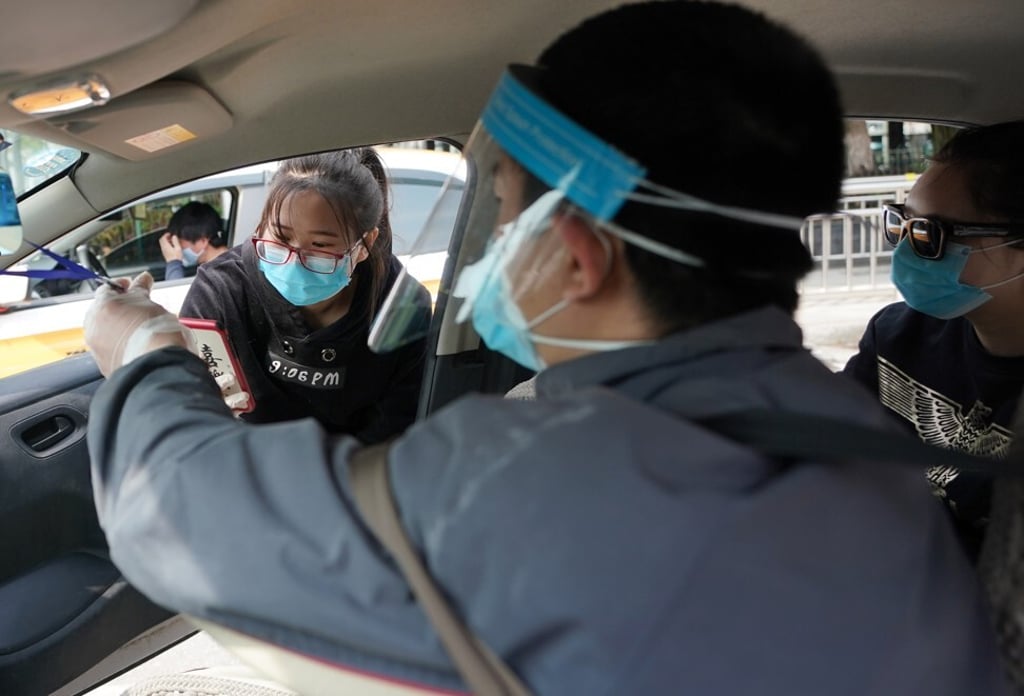
“I thought I was well prepared,” Qian said, “But when I was asked to show the codes repeatedly in public places, from railway stations to the hospital, I became anxious and nervous.
“I saved the screenshots of the health codes beforehand to avoid internet fares. However, I was told to show a real-time status. I was in a muddle. I was so worried I may get something wrong with the smartphone,” he said.