Taiwan celebrates Japan’s colonial legacy of a clean drinking water supply
- Japanese administrators and engineers helped transform water quality in the early 20th century, raising life expectancy of Taiwanese by over 50 per cent
- Museum and film mark the island’s resulting advances in public health

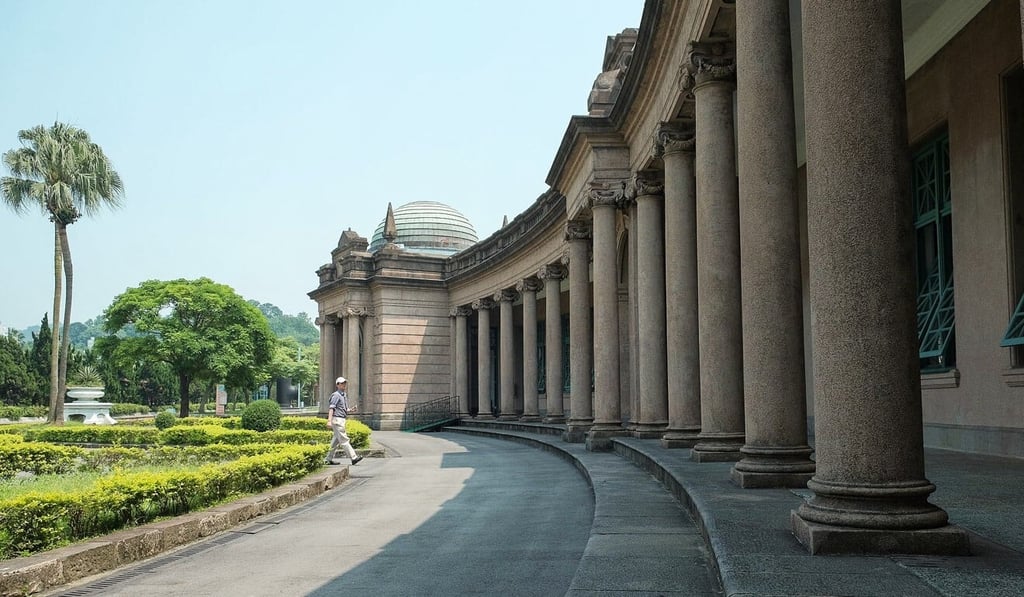
Speaking at the Taipei Water Park this spring, Mayor Ko Wen-je urged audience members to “think about where water comes from when they drink it”.
Ko’s comment came at the premiere of Tracing Roots, a documentary film on the history of Taipei’s water supply – from the 19th century, when residents dug their own wells, to the city’s current management system that collects, purifies and distributes 2.4 million cubic tons of potable water every day.
Most of the film’s 25-minute running time focuses on the period of Japanese occupation, the 50 years between 1895 and 1945 when colonial managers helped to transform the city from a small, largely agricultural outpost of China’s Qing dynasty, setting the stage for the bustling administrative and business capital that would emerge after World War II.
A doctor by training, Ko is particularly keen to celebrate advances in public health, where the hard-earned successes of history tend to be invisible to later generations.