Happy Valley residents protest rollout of artificial grass plan
Happy Valley residents, councillors and experts want a review of policy that will see most of the area's natural pitches replaced with plastic turf
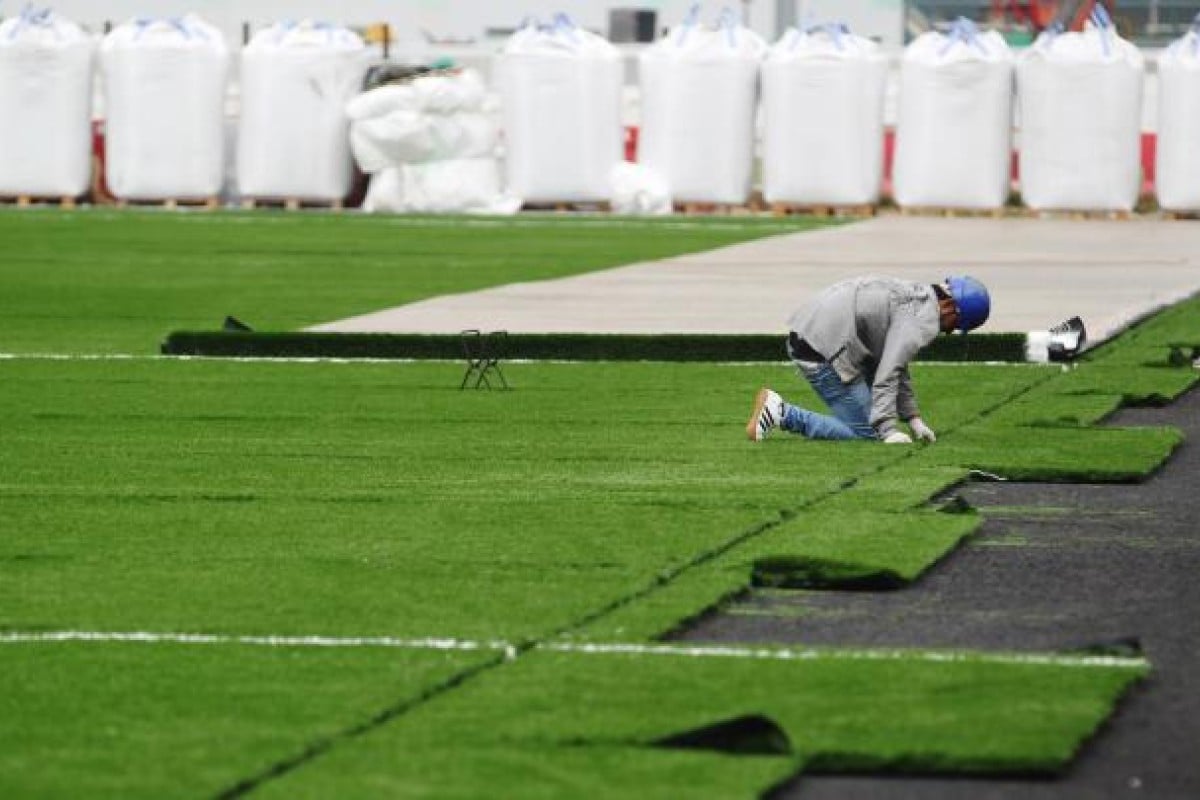
Sports and environment experts together with district councillors are calling for a review of a three-year-old policy under which at least nine natural turf pitches across the city will be replaced with artificial grass.

The Home Affairs Bureau decided in 2010 to triple the number of top-quality artificial pitches across the city from 11 to 34 by 2015 after a study on ways to boost football development.
The consultant said fake grass, which lasts about five years, can withstand 270 matches a month, compared with 60 for a grass pitch that costs HK$336,000 a season to maintain.
Residents are now trying to protect the remaining five natural grass pitches at the Happy Valley racecourse from the government's plan to convert three of them to artificial turf. This means only two of the 11 pitches managed by the Leisure and Cultural Services Department at the racecourse will have real grass by 2015. Six have been converted.
Overall, the bureau plans to convert at least nine natural grass pitches, upgrade five old artificial pitches and build four new artificial pitches, to satisfy the demand for football pitches and reduce operational costs.
There are now 30 artificial soccer pitches out of 77, but the proportion could rise above 40 per cent within a few years.