Hong Kong-mainland China ties after 25 years: a chance for a reset or will underlying unease fester?
- The relationship between residents and the central government since the handover has been marked more by tension than harmony
- With Hong Kong at the midway point of Beijing’s pledge to preserve ‘one country, two systems’, can residents reframe how they view the dynamic?

Tsui Kuen-nang won a historic right to stay in Hong Kong after a contentious court battle in 1999 that triggered the first storm over the city’s rule of law since the handover.
That so-called “right of abode” trial gave the mainland China-born Tsui a new life and a new home and, despite the ups and downs, he still believed in the Hong Kong dream of making it on one’s own toil and sweat, the 44-year-old construction worker told the Post.
“Life was never easy from the day I arrived in Hong Kong by boat 28 years ago … But in hindsight, nothing was more important than being able to get permanent residency here so that I could take care of my four siblings,” he said.
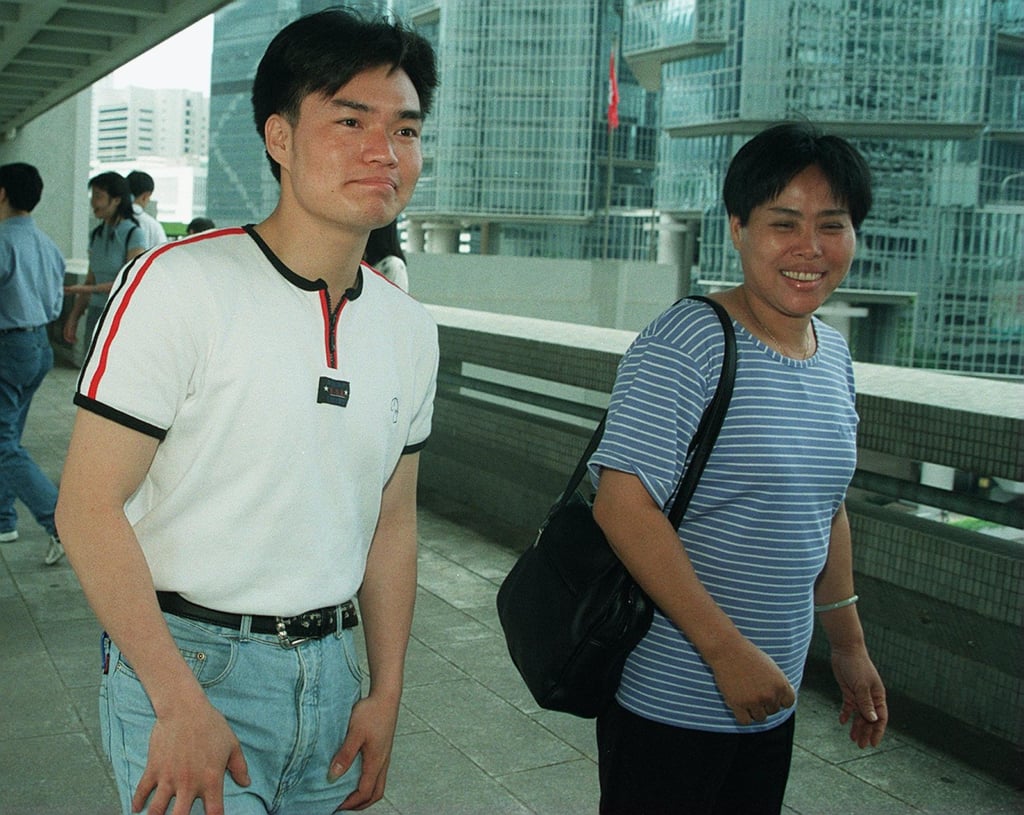
Tsui could never forget July 3, 1997 – the first working day since the handover – when the 19-year-old teenager applied with other mainland-born children of permanent residents for legal aid to seek the right of abode under the Basic Law, the city’s mini-constitution, three years after he came to the city on an illegal boat trip from Shanwei, an eastern city of Guangdong.
Their move led Beijing to overturn rulings in favour of Tsui by the Court of Final Appeal, revoking the right of abode of more than 1.4 million mainland residents in a reinterpretation of Basic Law provisions.
Unaffected by the decision due to retrospectivity, he stayed in Hong Kong and earned a living in the construction industry, in which he saw “plenty of good opportunities” in the city’s first decade after the handover arising from mega infrastructure projects. He was promoted to a subcontractor and now works at Castle Peak Power Station.
His son is now 19, the same age Tsui was when he fought his legal battle. He encouraged him to stay in the city and join the same industry, as he did in the colonial days.
“I still have hope for the city’s future with all the forthcoming mega projects to deepen integration with the mainland. I told him that obstacles exist everywhere and he shouldn’t try to escape easily,” he said.