Old photographs capture past as historic Hong Kong site prepares to reopen for an exciting future
Photographer Leong Ka-tai’s labour of love focuses on the relationship between humans and the places they inhabit

On a sunny winter afternoon in 2006, light reflected off the glass walls of neighbouring buildings and shone through leaves and branches to a quiet veranda of the 154-year-old Barrack Block, formerly used by the city’s police.
The scene is now lost forever. Captured in Leong Ka-tai’s haunting black and white photograph of the building, the balcony he stood on to take the picture is gone, as is the tree.
Standing for more than 170 years in the city’s heartland, and declared a monument in 1995, the compound, also known as Tai Kwun, was built by the British as Hong Kong’s first centre of law enforcement.
The block, and 10 other historic buildings in the Central Police Station Compound, will reopen to the public again on Tuesday, after 12 years of closure for recovery and renovation.
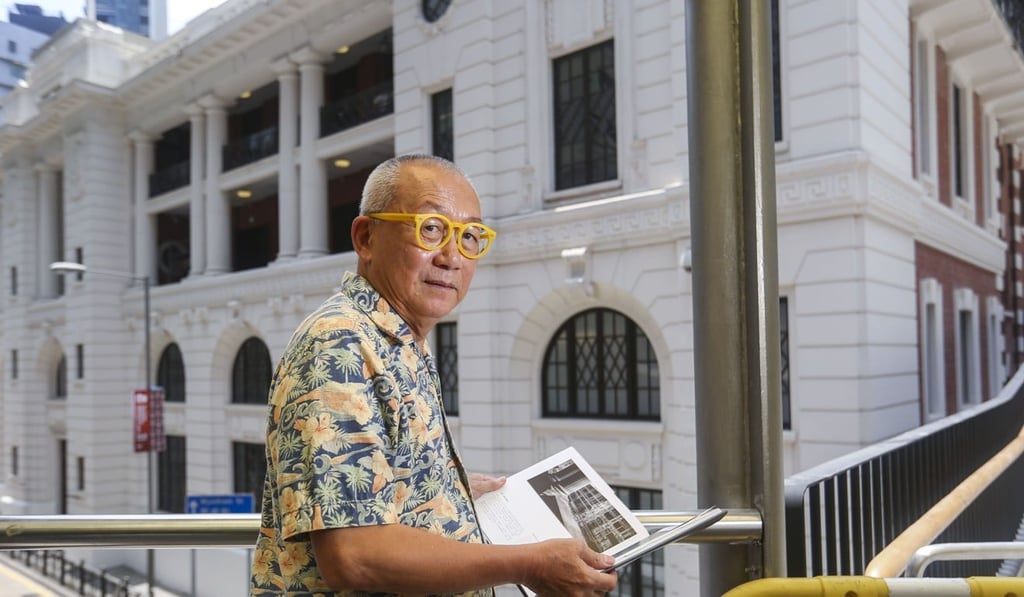
A snapshot of the buildings, unencumbered by people, was captured by Leong with a view camera – a 19th century invention requiring the photographer to work under a cloth – in November 2006.
Granted special permission by the Antiquities and Monuments Office, the 72-year-old was the first photographer allowed into the 13,600 square metres (146,400 sq ft) historic site after it was closed that year.