Tax breaks in store for Hong Kong start-ups as city struggles to stay competitive
Nikki Sun

Small and medium-sized enterprises in Hong Kong can look forward to more tax incentives as the government tries to counter competition from regional rivals offering lower rates.
Though the city has been known for its business-friendly environment and low tax regime for decades, it is losing its competitive edge as the rest of the world is redrawing economic policies to attract more business.
To ensure the city stops losing young talent to regional rivals such as Singapore, South Korea and mainland China, new Chief Executive Carrie Lam Cheng Yuet-ngor, who took up the top job in Hong Kong last month, has put tax reform on her agenda. Her administration is now in the process of formulating two tax policies, which Lam promised in her election manifesto, favouring SMEs and start-ups.
Start-ups duke it out in US$3m pitching showdown in Hong Kong
The first is a two-tier profits tax system which will lower the rate for the first HK$2 million of corporate profits to 10 per cent, from the current 16.5 per cent. The second proposal, meanwhile, will offer additional tax deductions on expenses related to research and developments, as well as environmental protection, art and design initiatives.
Last week, Lam told a group of business leaders at a dinner that the new administration was making the final preparations to implement policies, while financial chief Paul Chan Mo-po said on Saturday that the government was ready to announce the details of the two-tier tax system upon Lam’s approval.
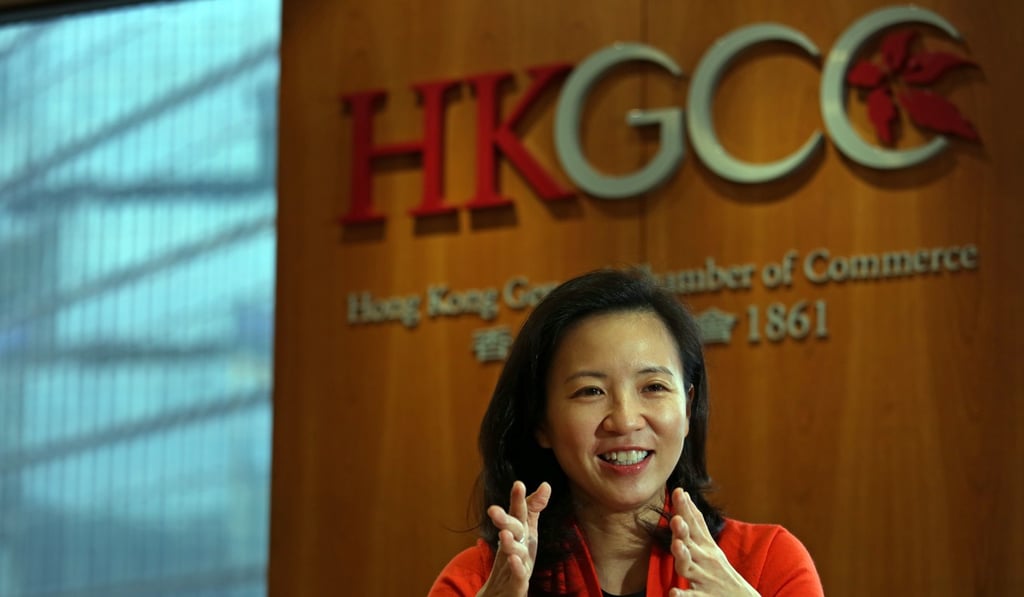
“Given that many neighbouring jurisdictions are offering comparatively lower rates of tax for SMEs to foster their competitiveness, it is good to see that such a system will be introduced in Hong Kong soon,” said Agnes Chan Sui-kuen, Hong Kong and Macau managing partner at accounting firm EY.
Chan added that the proposed two-tier tax regime would mean that the government would have to forgo about HK$5 billion in tax revenue – or 3.8 per cent of Hong Kong’s total – but SMEs would be able to reinvest the tax savings into upgrading their business models.