Speaking in two tongues
Bilingualism has become essential in education, but different schools approach it quite differently

The basic principles for effective bilingual education are well established. Start as young as possible, create an immersive environment, provide a cultural context, and offer extra individual support whenever this seems necessary.
But within these broad parameters, schools in Hong Kong have differing approaches to achieving the intended goal. This influences their classroom practices, curriculum structure, choice of materials, and allocation of resources.
In each case, though, the objective remains the same: to ensure all students acquire functional fluency in two main languages in both spoken and written forms.
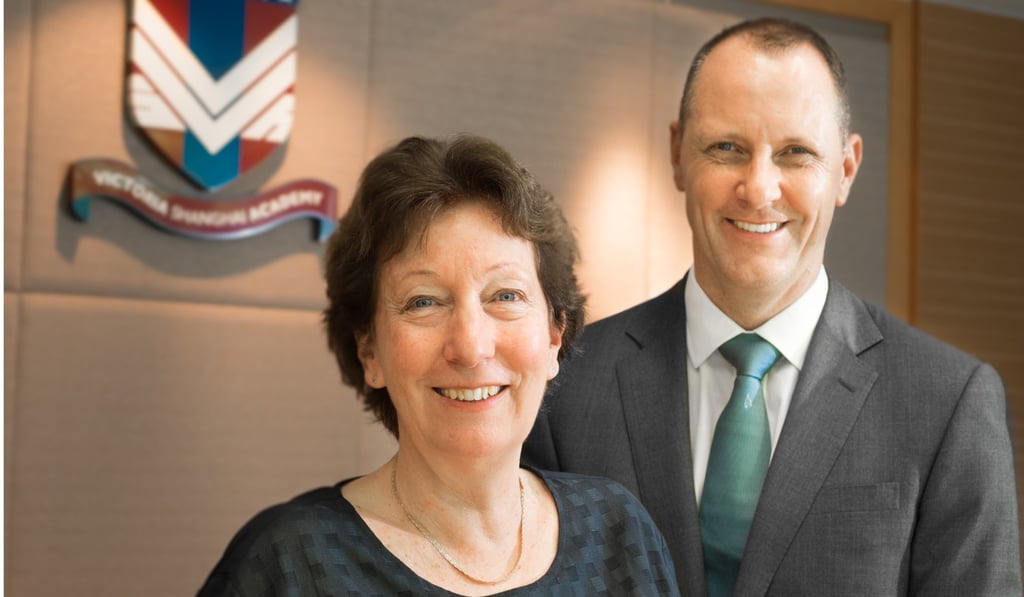
“In our model, it’s simultaneously bilingual from Year 1,” says Dr Judith Guy, head of academy and secondary principal at the Victoria Shanghai Academy (VSA) in Aberdeen, which teaches in English and Mandarin. “There are two teachers per classroom, not to translate, but to expose the children to both languages at the same time and help them develop their understanding and vocabulary in parallel.”
Within the framework of the International Baccalaureate (IB) Primary Years Programme, classes for maths and other units of inquiry are taught this way. The two class teachers, who are both native speakers, cooperate closely in planning lessons and deciding which skill sets and concepts they need to develop.
One will start off by introducing the next task; the other then reinforces or expands on this by adding further information and details. There is also a lot of work in small groups where the children use both languages in discussing possible answers and completing their worksheets.