Collaboration across universities and sectors the way forward for Hong Kong innovation, renowned genetics expert says
Professor Tsui Lap-chee urges government support for joint facility and cites American model involving MIT and Harvard as something city could emulate

Collaboration is the only way forward for innovation in Hong Kong, an academic leading a review of R&D in the city has said, adding that a biomedical institute, to be jointly set up by universities, could serve as a springboard for future partnerships in other fields.
Speaking to the Post last week, Professor Tsui Lap-chee, chairman of the government-appointed Task Force on Review of Research Policy and Funding, said a number of renowned scientists and luminaries in the innovation sector with a connection to Hong Kong were also on board with the project.
The molecular genetics expert said six of the city’s eight public universities had shown interest in the first-of-its-kind facility, and it would be needed for large research programmes that could not be handled by a single laboratory.
“Suppose you are trying to find a chemical compound that can cure liver cancer, you must [involve different researchers], such as chemists to find new drugs, clinicians who understand what liver cancer is and cell biologists,” he said.
The professor added that this form of group approach to research was new to Hong Kong. He cited the example of the Broad Institute in America – a collaboration among the Massachusetts Institute of Technology, Harvard University and other institutions – which is known for gene editing technology.
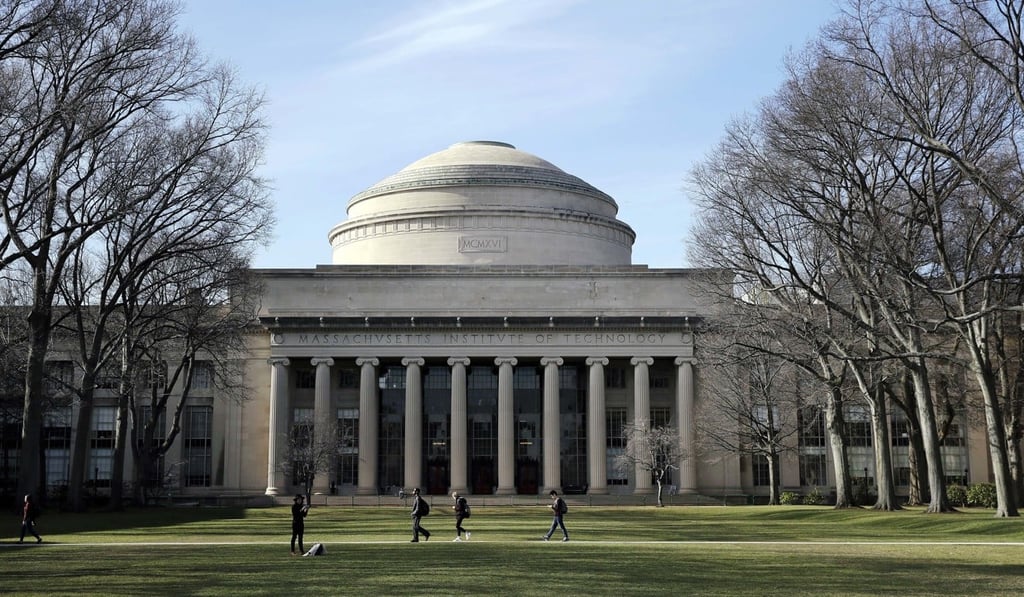
Tsui said if the two renowned Boston universities and other research institutes in the area could work together, he believed the model could apply in Hong Kong.