Hong Kong national security law: principals, teachers could be liable for student breaches if they fail to intervene
- If schools choose not to take action, that is ‘clearly problematic’, education minister Kevin Yeung says after issuance of controversial new guidelines
- Police involvement does not necessarily mean arrests, as force has ‘softer ways’ of dealing with on-campus problems, he adds

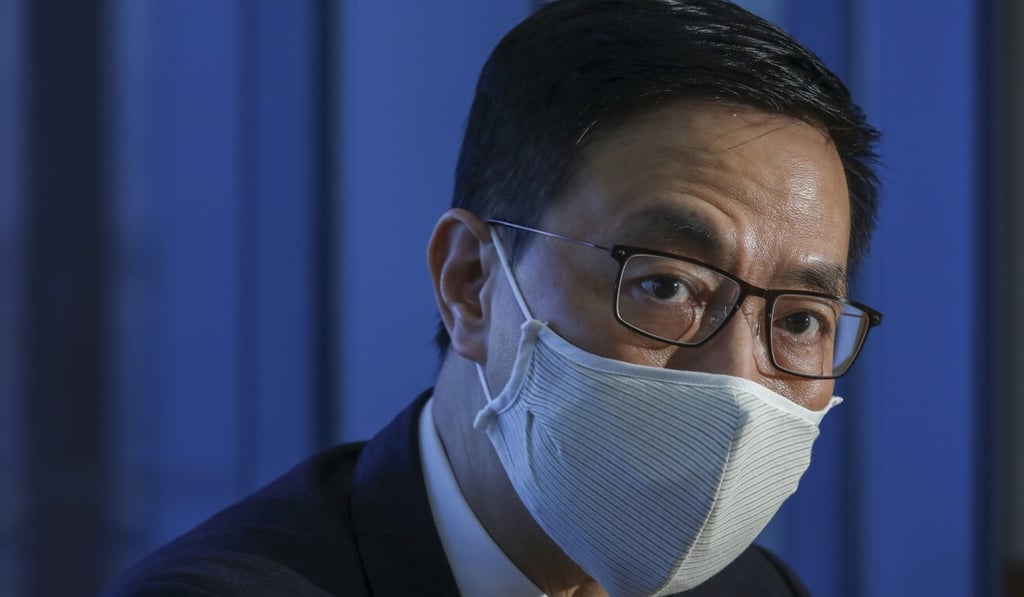
Secretary for Education Kevin Yeung Yun-hung on Friday also said while the new guidelines called for schools to inform police when serious protest-related activities occurred on campus, teachers were the first line of defence in defusing potential issues.
Yeung’s remarks came a day after his bureau issued a set of documents on the security law covering everything from school management and curriculum to students’ behaviour and the responsibilities of faculty in relation to the law.
Pupils as young as six are to learn the law’s basic concepts as well as the names of its four designated offences – subversion, secession, terrorism and collusion with foreign forces – while schools are to call police over “grave or emergency” situations such as pupils chanting or displaying slogans, singing political songs or forming human chains.