How teachers can recognise signs of anxiety and depression in students – from clinginess and difficulty in making friends, to behaviour issues and trouble concentrating
- As the pandemic enters its third year, teachers and parents should familiarise themselves with signs of anxiety and depression in school-age children
- Counselling experts from Jadis Blurton, Nord Anglia International School Hong Kong and German Swiss International School suggest ways to handle students’ mental well-being

Leading schools in Hong Kong have always been alert to signs of stress, anxiety and alienation among the student body. But as the city enters a third year of pandemic-related disruptions, the need for this kind of vigilance, plus the pastoral care and counselling that goes with it, has become more important than ever.
Despite upbeat talk about their resilience and adaptability, the plain fact is that most school-age children find uncertainty and frequent changes disconcerting, or worse. And that only adds to the pressures already inherent in the education system, especially when crucial exams are looming, which will define chances for university places and future career prospects.
“At the moment, I am seeing very high levels of anxiety and fear,” says Katrina Rozga, director of therapy and counselling at the Jadis Blurton Family Development Center. “Kids like consistency and to know what is going to happen, so when things keep changing, and there are more restrictions, they can begin to act out as a means of dealing with that.”
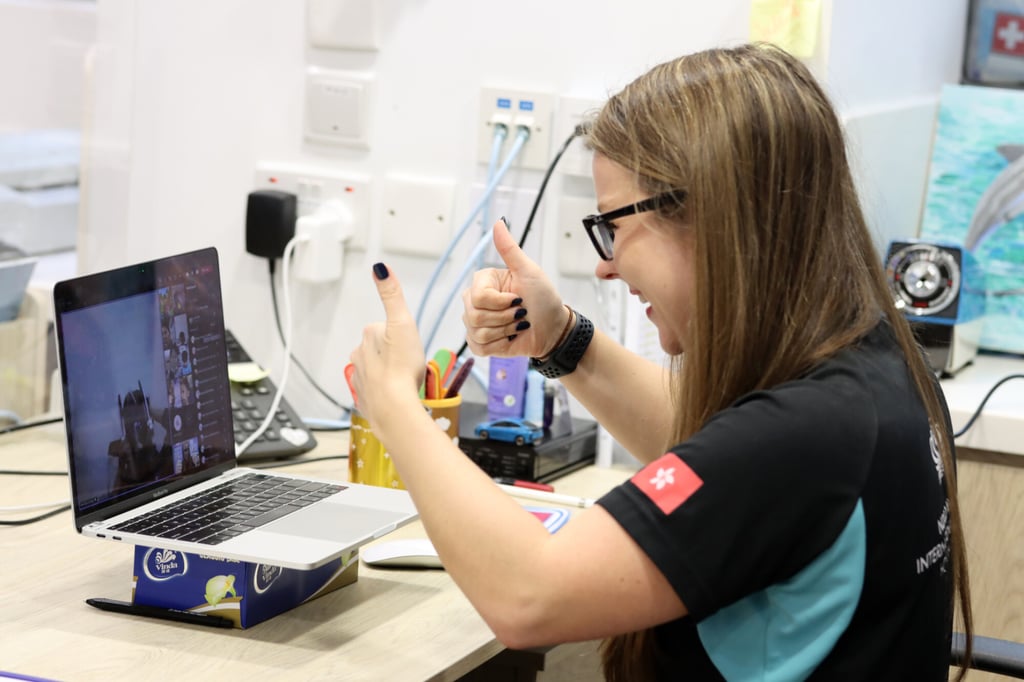
Rozga notes that over the past year some parents have been seeing regressions in behaviour, as well as instances of “clinginess”, difficulties in interacting with people from outside the family, and trouble with concentrating on set tasks.
“Depression is also beginning to rear its head,” she adds. “Students are feeling more isolated and less certain about the future. Adolescents need social interaction and time with their friends, and many say they feel really low because they haven’t been able to interact regularly in person among a group. Often, they also find they are struggling with school work and not learning as much as they should, because trying to concentrate online all day is difficult.”
In most cases a combination of online schooling, less physical activity, confinement at home with multiple distractions, and the nagging sense of missing out on shared fun, new achievements and some of the usual milestones has been at the root of the problem.
All these factors decrease motivation, interest and attention spans. At the same time, they increase boredom, worries and loneliness and can easily lead to outbursts in terms of bad behaviour, self-isolation or “coping” in generally unhelpful ways.