Number of ethnic minority students with special education needs in Hong Kong schools underestimated, says NGO
- Teachers wrongly assume the children are slower because they are learning too many languages, says Zubin Foundation
- New family centre opened to support special education needs students and their parents in their mother tongue

The number of ethnic minority students in Hong Kong’s public schools with special education needs has been underestimated, with teachers wrongly assuming their learning difficulties are related to the use of multiple languages, according to an NGO.
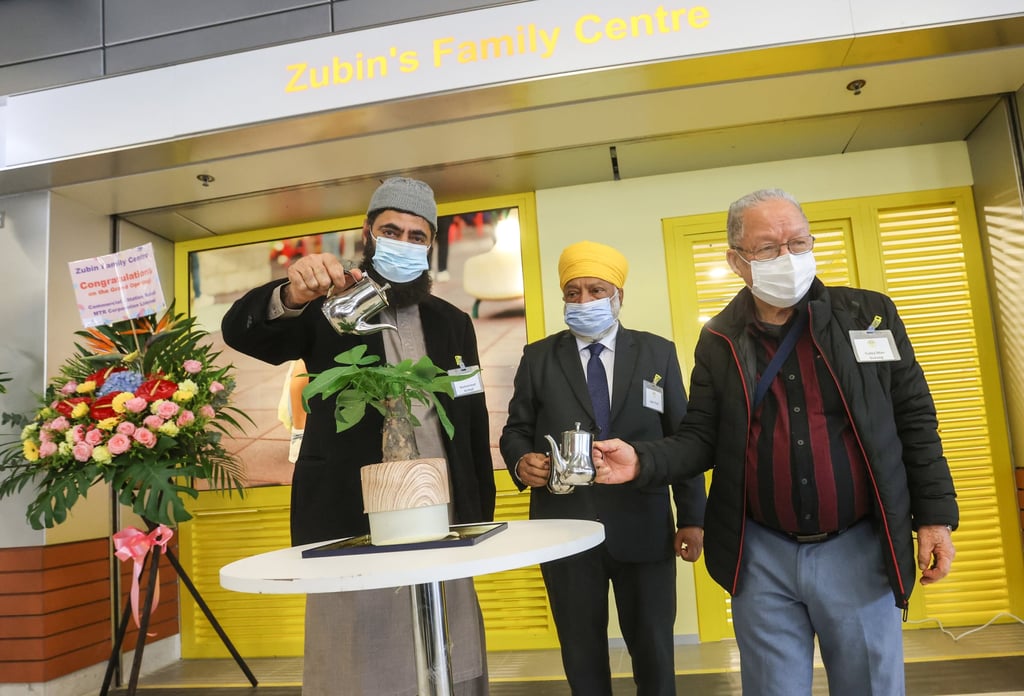
Shalini Mahtani, founder of the Zubin Foundation, a charity dedicated to supporting the city’s ethnic minority community, vowed to help children with special education needs (SEN) on Tuesday when she opened a family centre for this group at a shop at Austin MTR station.
In the 2020-21 academic year, the number of diagnosed non-Chinese-speaking students with SEN in public schools, which includes ordinary primary, secondary and aided special schools, was 1,260, data from the charity showed.
There were 33,063 and 33,036 ethnic minority children in kindergartens, primary schools and secondaries in the city in 2020-21 and last year respectively.
The number of SEN pupils, including non-Chinese-speaking ones, in regular public sector primary and secondary schools reached 58,890 in 2021-22, accounting for 11 per cent of the student population, according to a research paper by the Legislative Council revealed in December 2022.
SEN applies to students who have difficulties or disabilities, including attention deficit hyperactivity disorder (ADHD) and autism, which makes it significantly harder for them to learn or access education.
“The diagnosis rate for [ethnic minority] children is much lower [than the city’s average figure],” Mahtani said. “Teachers often just assume that the children are slower because they’re learning too many languages.”