Investment in medical infrastructure has helped medical research in China make great advances, and bolstered cooperation with Hong Kong researchers
- Mainland China devoted 2.13 per cent of GDP to research and development in 2017, a huge increase on the 0.8 per cent of the same in 1999
- Hong Kong scientists say they have noticed a marked improvement in facilities and research on the mainland in recent decades

When top neuroscientist Professor Nancy Ip Yuk-yu planned to launch a study to identify genetic risk factors of Alzheimer’s disease among Chinese people around four years ago, she knew that she would need data from 1,000 people.
“I think if I had approached Hong Kong doctors at the time … the answer would be a ‘no’ as there was no centre that could provide us with that data right away,” Ip said, adding that the number of such patients in Hong Kong was also much smaller than in mainland China.
So the scientist from Hong Kong University of Science and Technology turned to Professor Guo Qihao from Huashan Hospital, an institution affiliated to Fudan University in Shanghai. Guo had studied Alzheimer’s in the mainland for over 20 years and had the data to hand. With details such as the disease history and genome sequences of some 1,000 people, both healthy and suffering from Alzheimer’s, Ip was able to start her research.
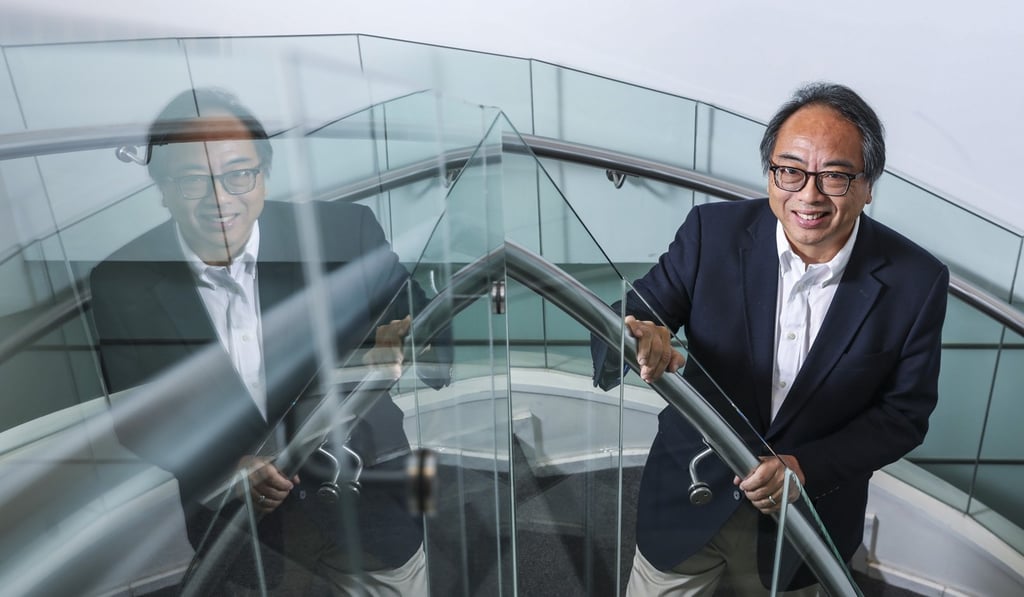
After releasing her research findings early this year, Ip hopes to build a biomarker database, containing information such as genetic and brain-imaging data, for Chinese Alzheimer’s patients.
The work of Ip and the mainland doctor is just one of many examples of cross-border collaboration in scientific research that has taken place for decades. But the nature of this cooperation has changed, as the mainland became more modern and developed during the course of its reform and opening up over the last 40 years. Previously, Hong Kong took a more leading role in providing funding and technological support. But the trend has started to be reversed in recent years.