Does the bacteria in your baby’s intestine tell you anything about her future health development? Chinese University of Hong Kong aims to find out
- New research institute will follow growth of about 100,000 newborns in city and across the border in mainland China
- Previous studies have found microorganisms in the intestine could affect weight gain, sleep patterns and intellectual growth

A study of about 100,000 Hong Kong and mainland Chinese newborns will explore how microorganisms in the intestine might affect health development, including the growth of organs, intellectual development and allergies.
Chinese University (CUHK) last month established an institute comprised of experts from six faculties and other research centres to enhance multidisciplinary research related to children’s health.
The launch came ahead of the official opening of Hong Kong Children’s Hospital, slated to open its specialist outpatient clinic on Tuesday.
The study aimed to follow the growth of newborn babies on both sides of the border over a number of years, looking into the relationship between gut microbiomes and the development of their physical and mental health.
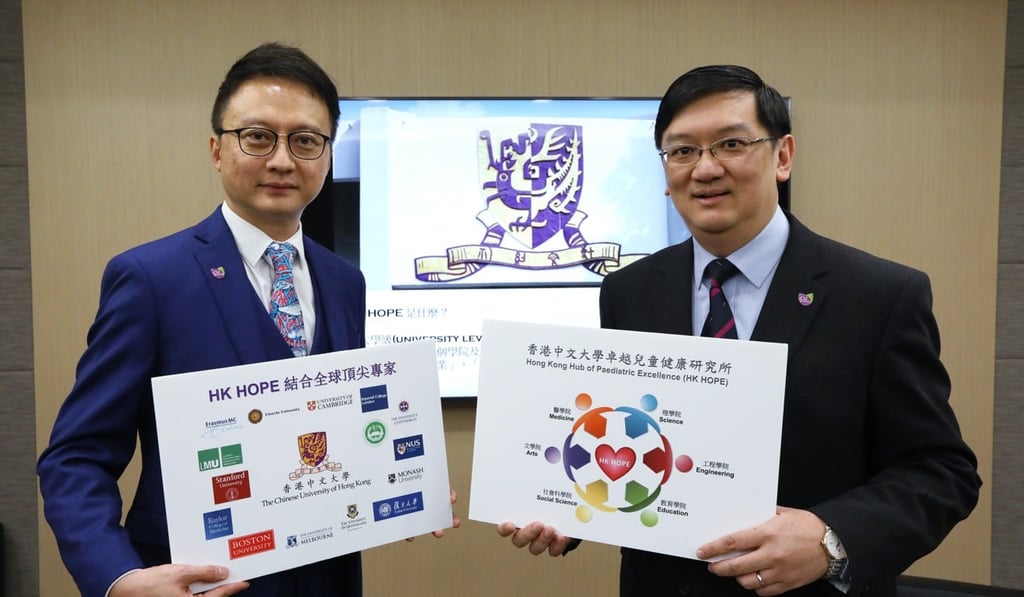
“We want to find out how the change of environment or other physical factors, such as microorganisms in the intestine … could promote children’s health,” said Professor Francis Chan Ka-leung, dean of the university’s medical school.
Professor Leung Ting-fan, founding director of the institute, the Hong Kong Hub of Paediatric Excellence, and chairman of the university’s department of paediatrics, said according to previous studies, types of bacteria formed by the age of three could affect different aspects of one’s health such as weight gain, sleep and intellectual development.