Answer to overcrowding in Hong Kong’s public hospitals may lie in paying patients to go private, suggests doctors’ group
- Public sector treats 90 per cent of inpatients, but employs only half of the city’s doctors
- Association highlights disparity in health care and suggests capping how much private hospitals can charge

The Hong Kong Public Doctors’ Association has said the government should subsidise patients for private medical treatment while capping private health care fees, as a way of easing the pressure on the overburdened public health care system.
Association representative Dr Arisina Ma Chung-yee said on Sunday that most Hongkongers went to public hospitals for treatment, but the majority of the city’s doctors worked in the private sector. By the end of 2017 there were 14,290 doctors in Hong Kong, but the public sector employs about half of them while caring for 90 per cent of inpatients.
“There is a group of emergency ward users whose conditions do not call for emergency services, but they go to public emergency wards anyway, possibly out of financial concerns,” Ma said. “If these people could go to the private market instead, public hospitals would have more room.”
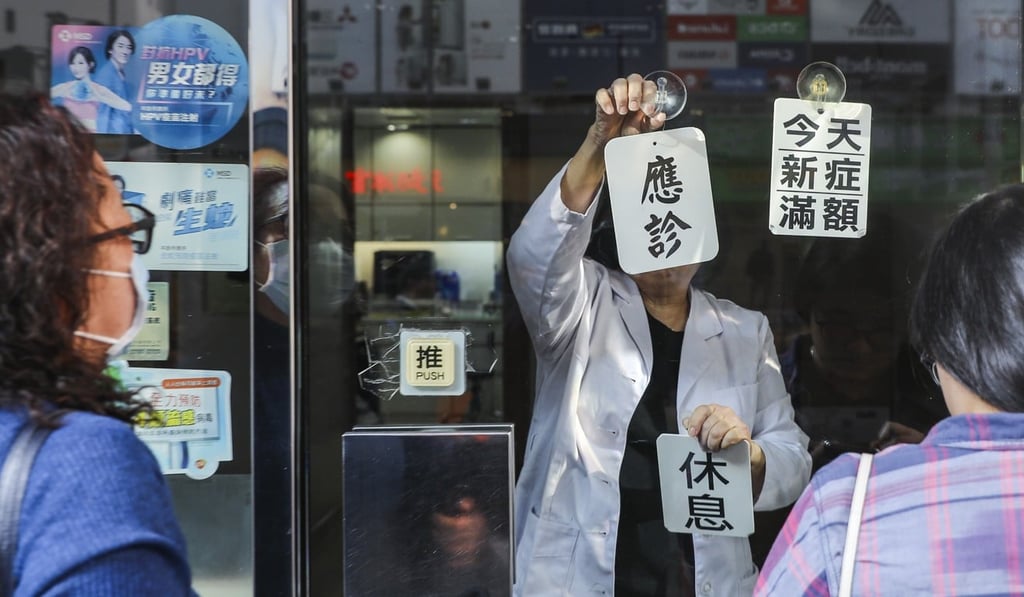
Speaking on a radio programme, Ma said the government should give citizens subsidies for using private medical services, but should also limit private medical charges so the subsidy was not abused.
But, Patients’ Rights Association spokesman Tim Pang Hung-cheong said he feared there would be a huge backlash among private doctors if the government started to restrict the sector. He was also worried the subsidy would only draw more public doctors into the private sector.
Lawmaker Joseph Lee Kok-long, chairman of Hong Kong’s biggest nurses union, the Association of Hong Kong Nursing Staff, said public outpatient clinics would be good venues to send non-emergency patients, but the government had been unwilling to expand or improve these clinics.