British professor says Hong Kong Genome Project to decode DNA of patients paves way for revolutionary new treatments
- Chief scientific officer from National Health Service shares country’s experience with similar scheme
- Data collected from groundbreaking project could benefit local life sciences industry and other parts of the world

A government-led genome project in Hong Kong that aims to improve treatments for patients with rare diseases and cancers could bring benefits to the city, including a boost to the life sciences industry, according to a top British health official.
Professor Sue Hill, chief scientific officer at the National Health Service in Britain, said it would be important for the public to be told as early as possible about the potential of the project, which would see tens of thousands of Hongkongers have their entire genetic codes decrypted.
“Some of the patients would get a better diagnostic outcome and also new treatments they wouldn’t have before,” said Hill, referring to some of the possible advantages brought about by the large genome sequencing project.
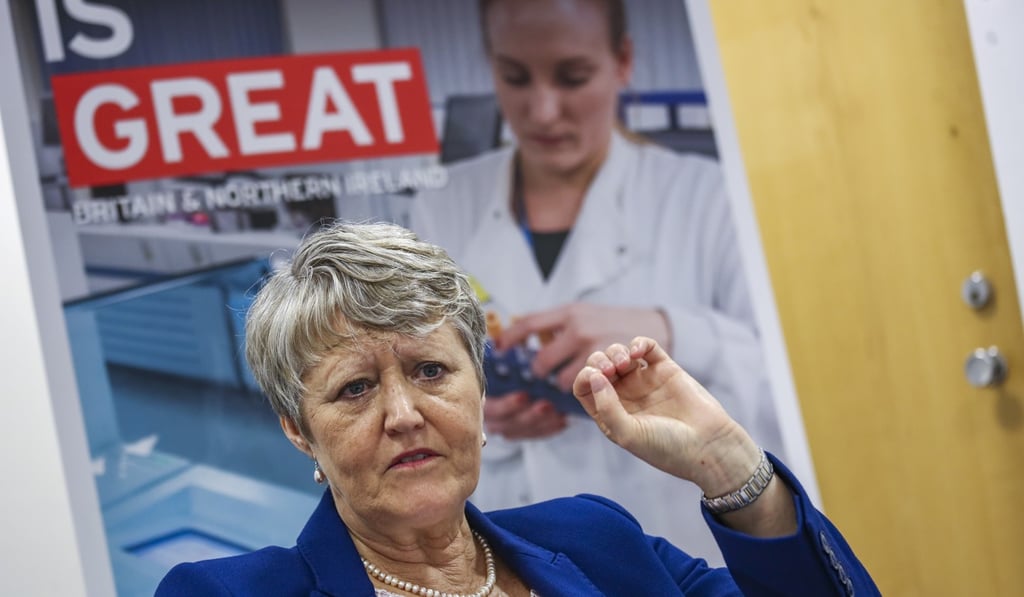
Hill spoke to the Post on a visit to Hong Kong earlier this month to share the experience of the 100,000 Genomes Project, which was launched in Britain in 2012.
The British project has sequenced 100,000 genomes from about 85,000 people, including patients with rare diseases, their families, and those with cancer.