Hong Kong homes for elderly ‘need major upgrades’ to provide support for terminally ill patients ahead of proposed law change for end-of-life care
- Investment required at care facilities, industry figures say, so patients can see out their last days in familiar surroundings rather than hospital
- Privately-run homes, which do not receive subsidies, have to renovate, add new equipment and staff, before offering hospice support, experts warn

Elderly care home resident Lee Kwok-ying, 83, thinks of the day when she will take her last breath and says: “The most important is to die comfortably, without being attached to numerous tubes.”
The widowed mother of two and grandmother of two, who has stayed at the private care home for more than 13 years, adds: “I’ve seen some residents pass away while watching television after breakfast – I hope I leave that way too.”
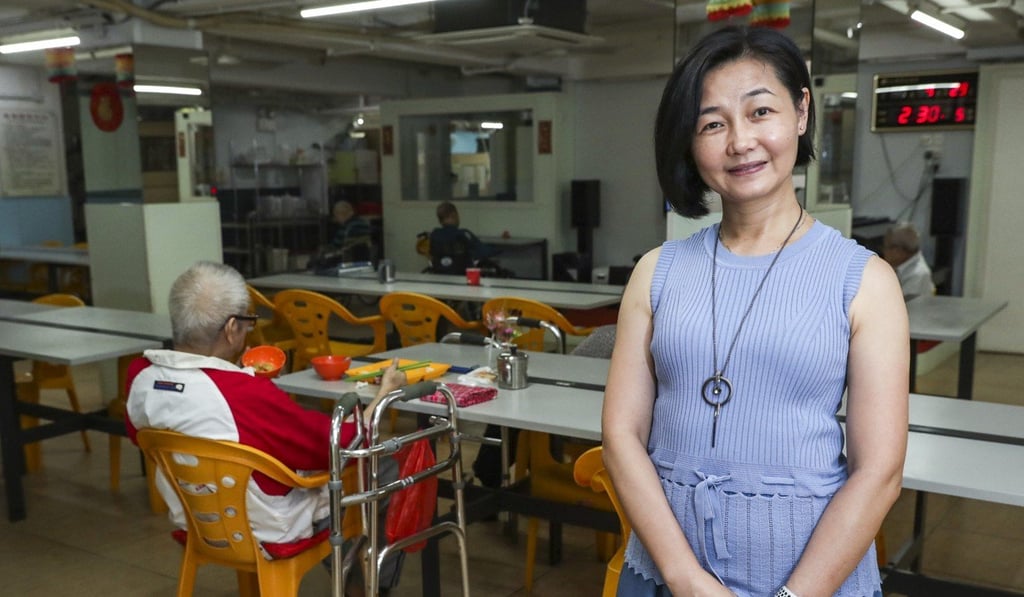
Rebecca Chau Tsang, chief executive officer of the home in Tai Kok Tsui, hopes that residents like Lee will be able to live out their last days there, surrounded by familiar faces.
Over eight years of working in the elderly care sector, Chau has seen terminally ill residents of care homes being sent to hospital, a practice that is common but which may not be best for them.
“Elderly people in their final stage of life are usually very frail and should not be sent back and forth between home and hospital,” she said. “Those who have lived long enough in a care facility do consider it their home, and many care workers are like family to them.”
The Food and Health Bureau launched a three-month consultation in September on proposed legislation to improve end-of-life care in Hong Kong. The proposals include giving patients a choice of where to spend their final days, if they prefer not to die in hospital.